ABYSS VR
UNREAL ENGINE & BLENDER
This project focuses on environment design and game mechanics through a conceptual final scene of a game. The narrative is simple: two portals connect two worlds—one is an underground abandoned city, and the other is the outside world.
The game mechanic involves transporting the character between these worlds and their interaction with the environment.
The design objective for the environment was to integrate world-building with narrative elements by designing the portals in a way that subtly hints at the lost lore of the abandoned city. This approach ensures the game maintains consistency and relevance, which would carry over into potential future levels. It also creates a sense of depth and history within the environment design.
Throughout the project, I will go into more detail on how I incorporated these elements and the conscious design choices that went into creating both the portals and the environment.
Initially, the design did not achieve the impact I was looking for, it felt too minimal for a climactic moment. To enhance its presence, I decided to incorporate VFX by experimenting with the Niagara Particle System.
Underground City Portal
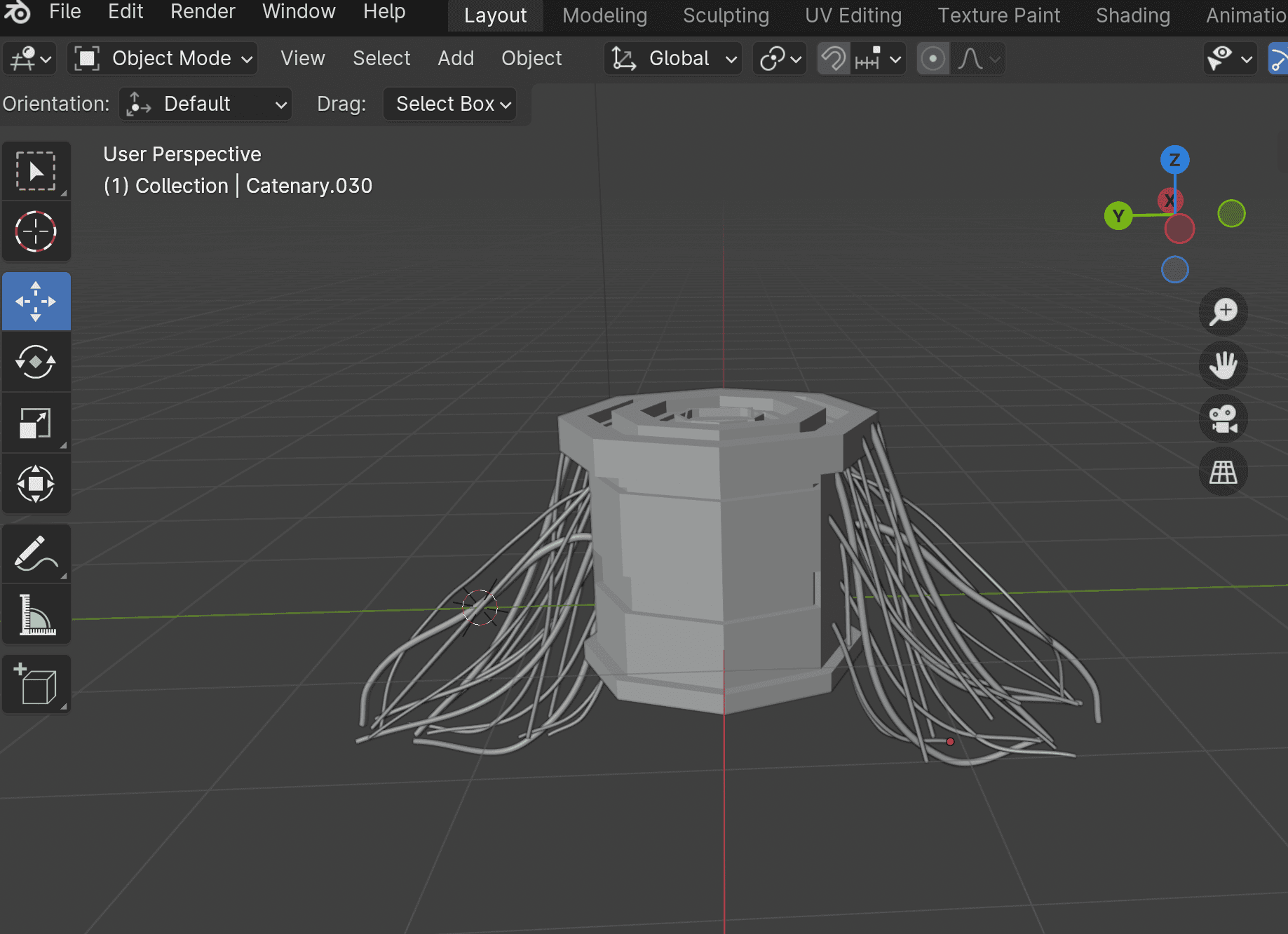
Since this is supposed to be the final scene of the game, I wanted the portal to have a sense of grandeur. However, I also needed to keep the 3D design simple, as I was still working to improve my UV mapping skills. I restricted the shapes to hexagons and built the base in Blender before exporting it to Unreal Engine.
Niagara Particle System
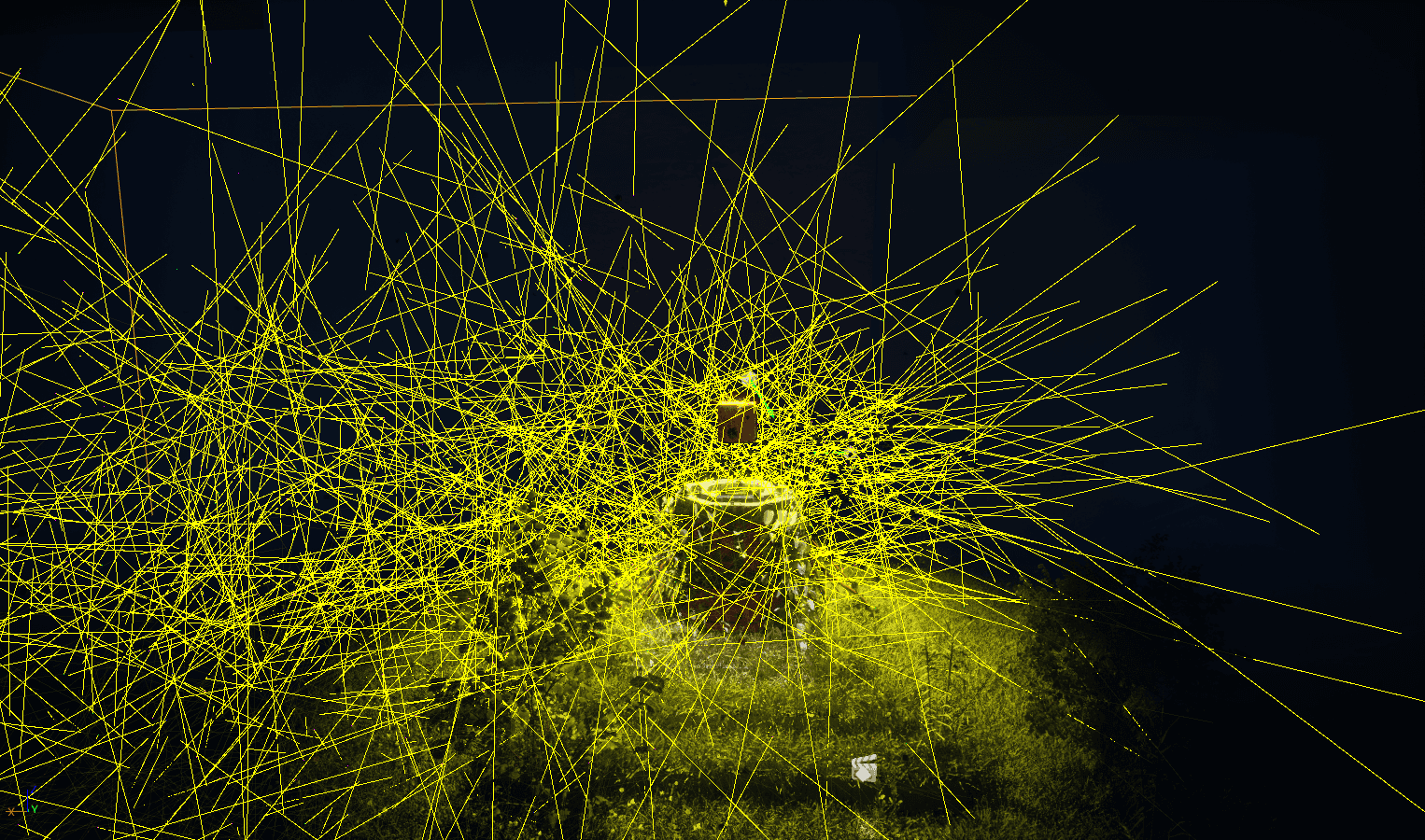
My first few attempts at using Niagara were unsuccessful. The effects did not integrate well with the environment, and the portal lacked the visual weight I was aiming for. To refine it, I referenced multiple tutorials on YouTube and conducted several iterations, adjusting particle behaviours to create a more immersive effect.
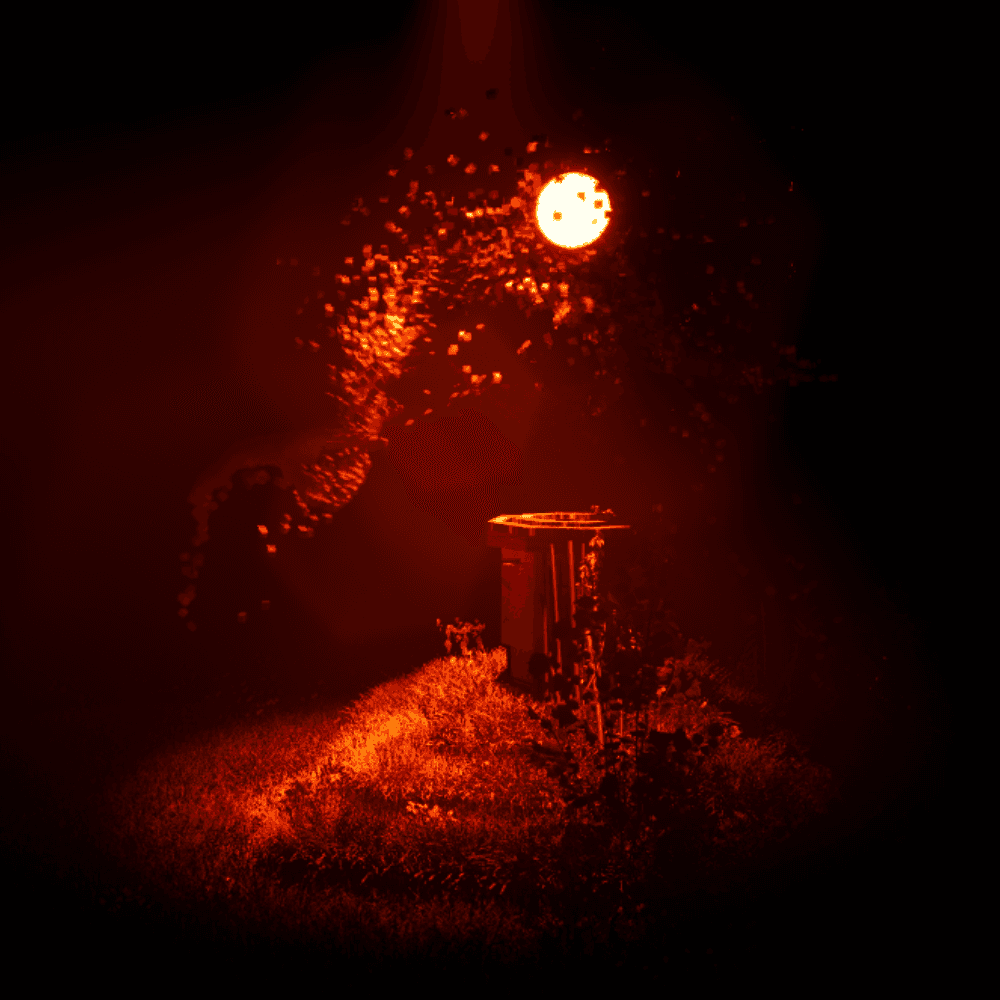
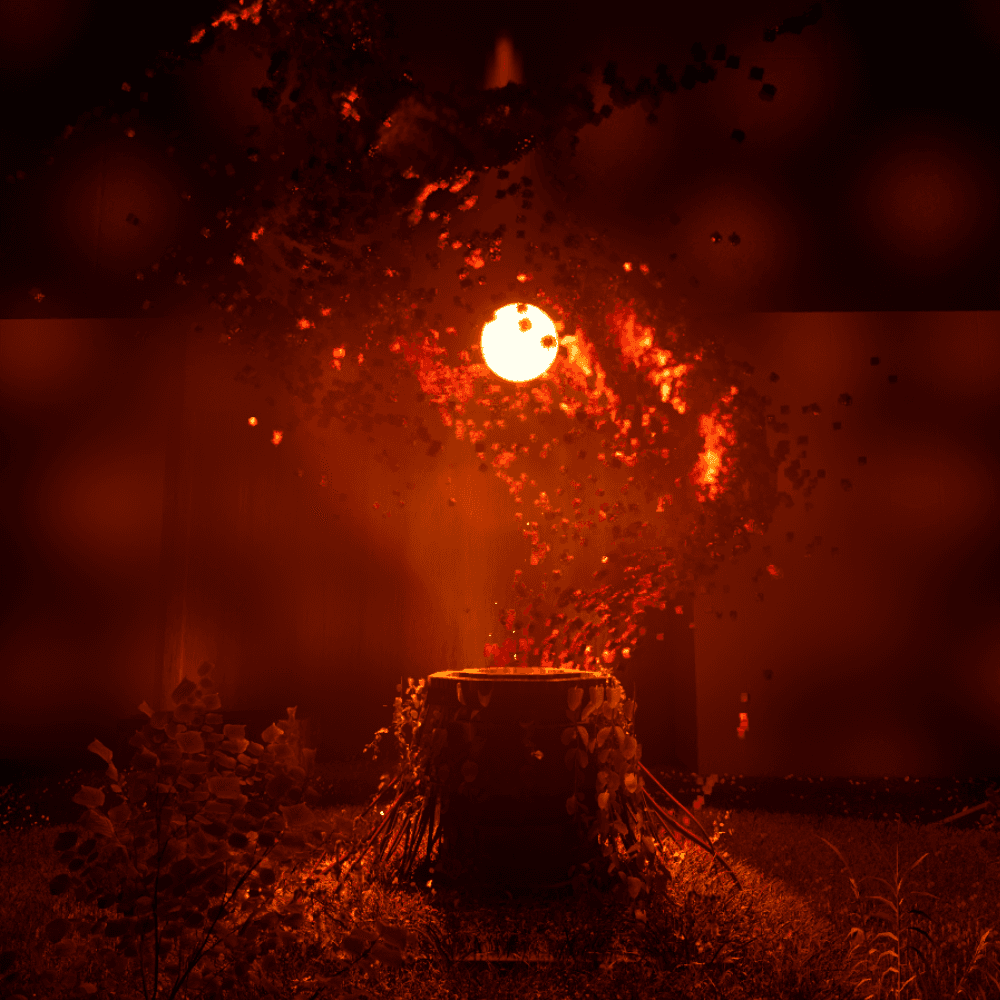
Final Outcome
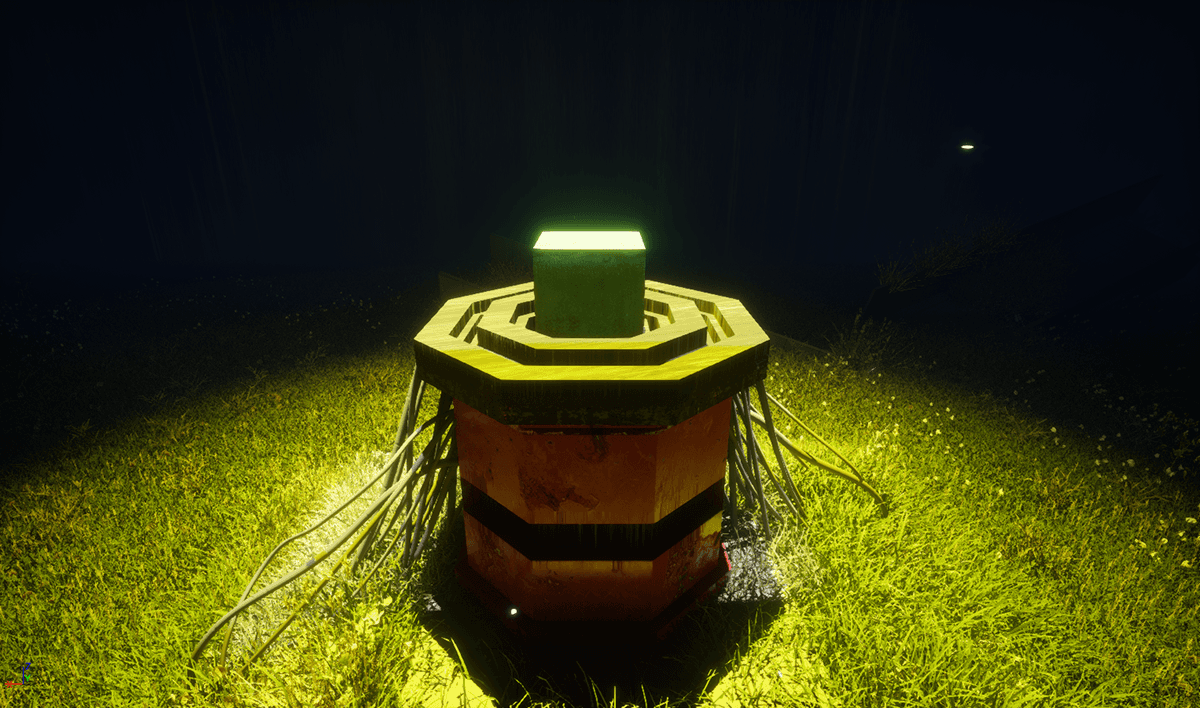
After testing the scene in VR, the portal finally achieved the intended impact. The challenge in bringing this design from concept to 3D was balancing its mystical appearance while staying true to the design objective. To achieve this, I showed the presence of exposed wires at its base, subtly hinting at human involvement, reinforcing the sense of a lost civilization repurposed by later inhabitants.
Outer Portal
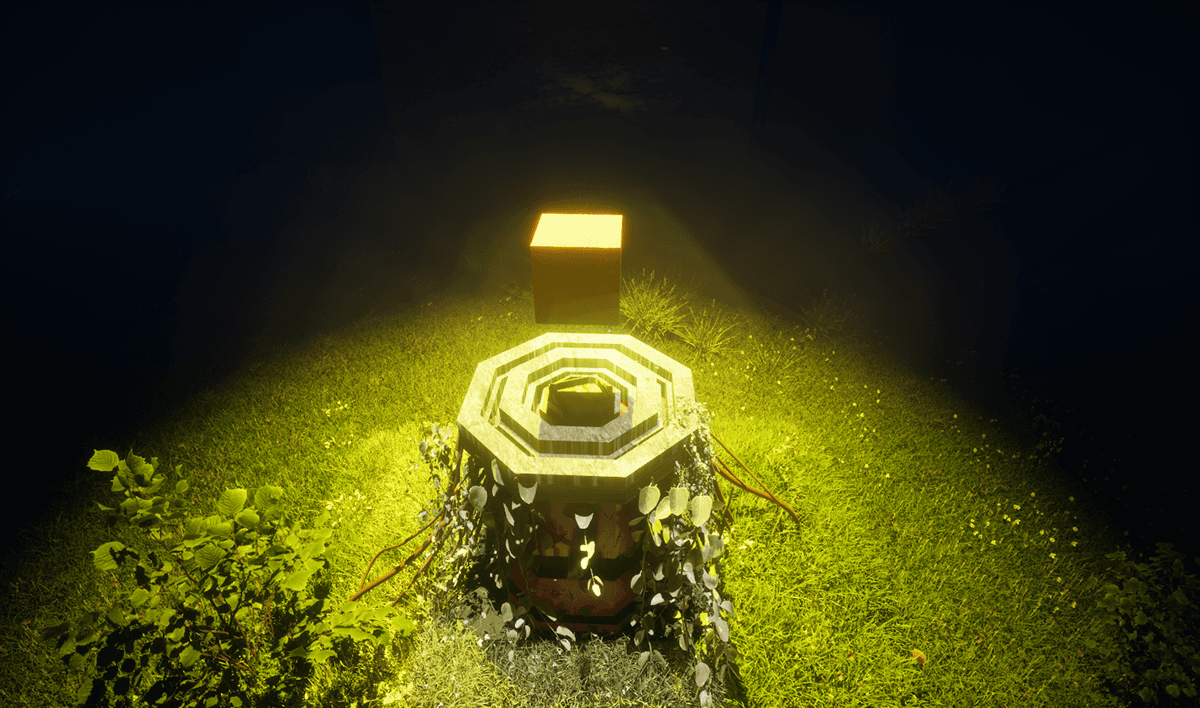
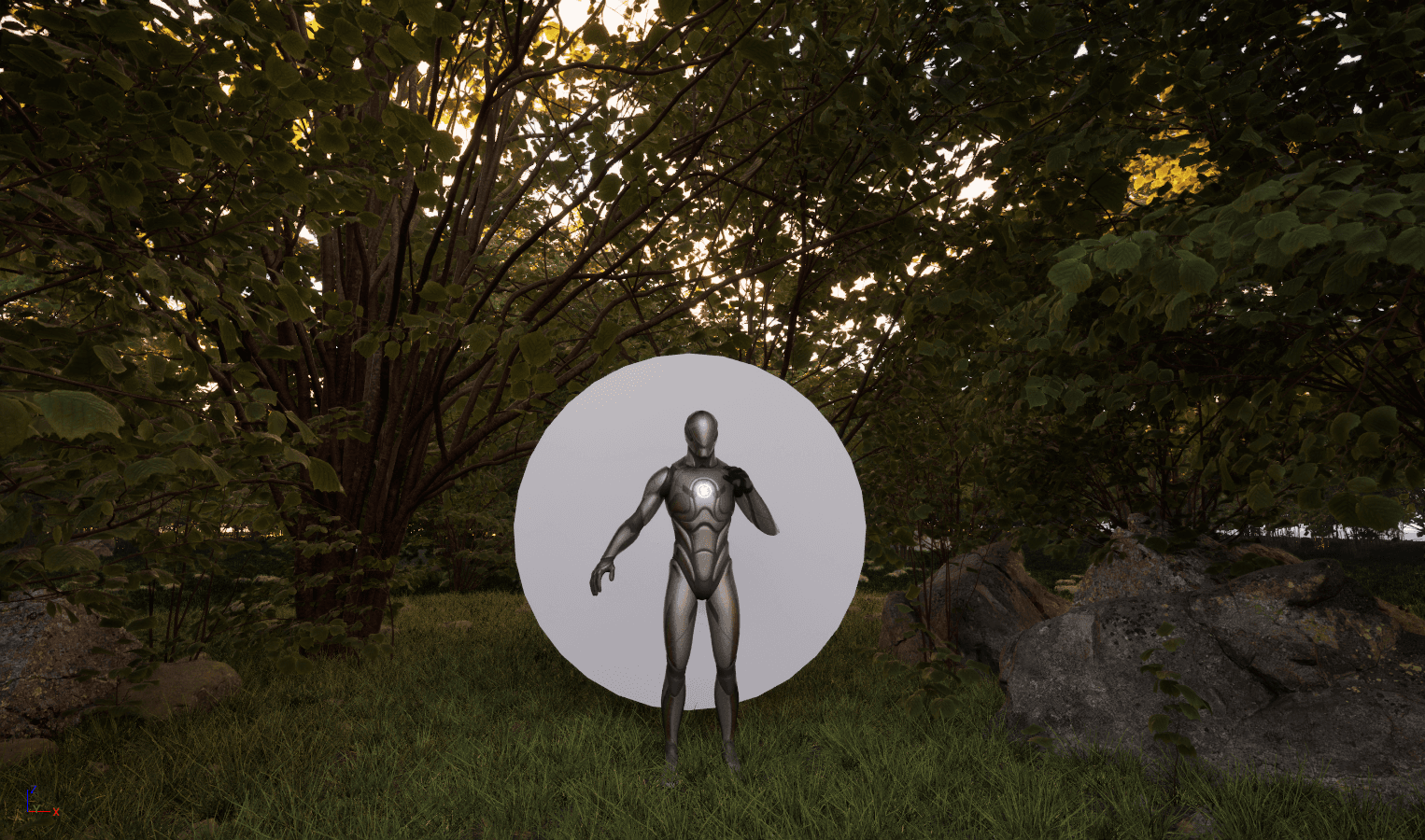
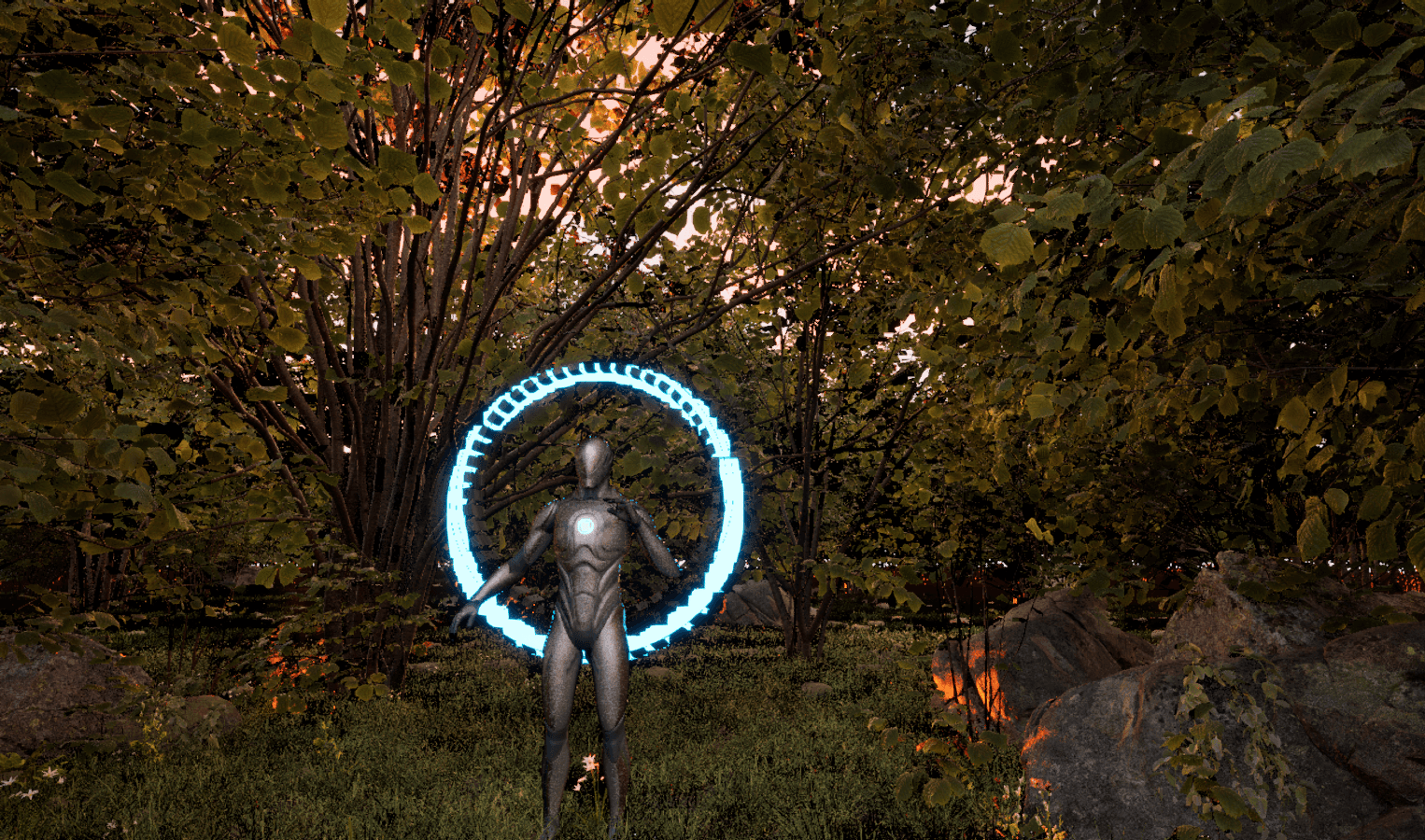
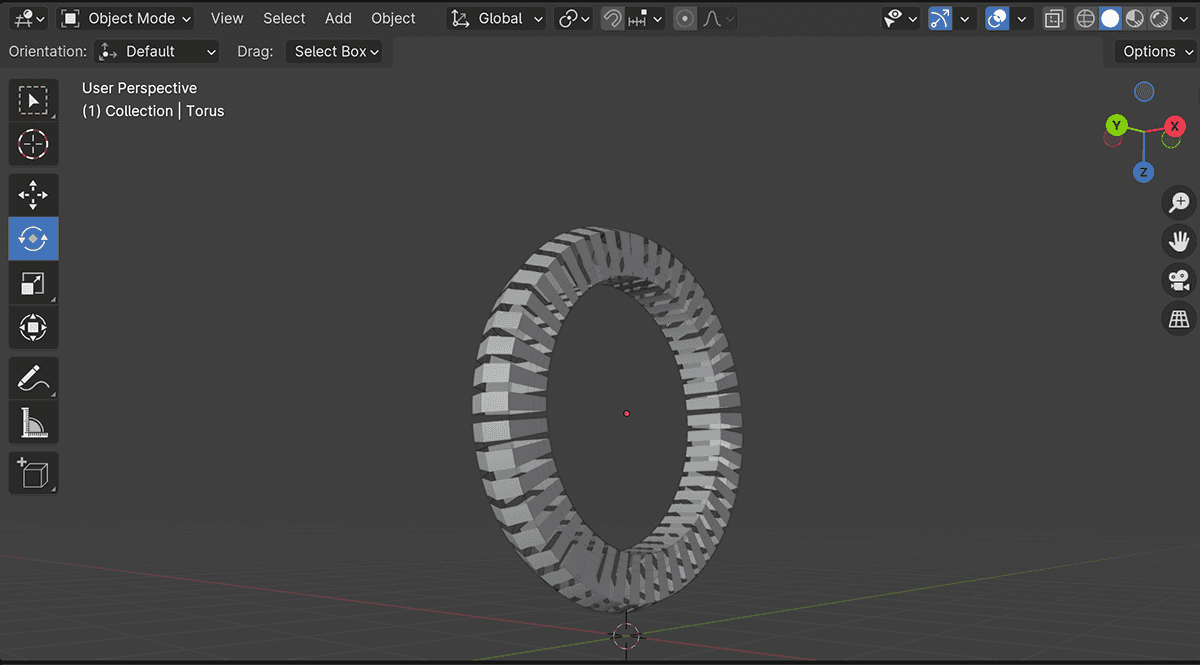
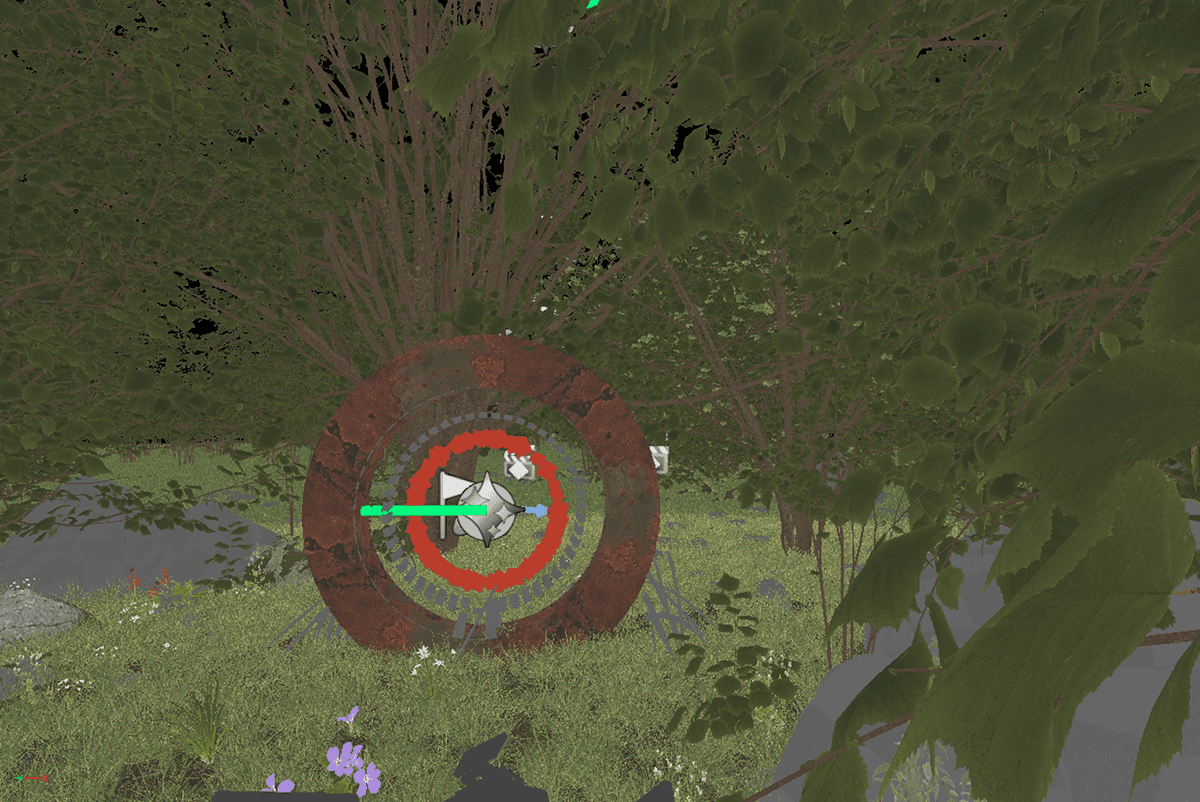
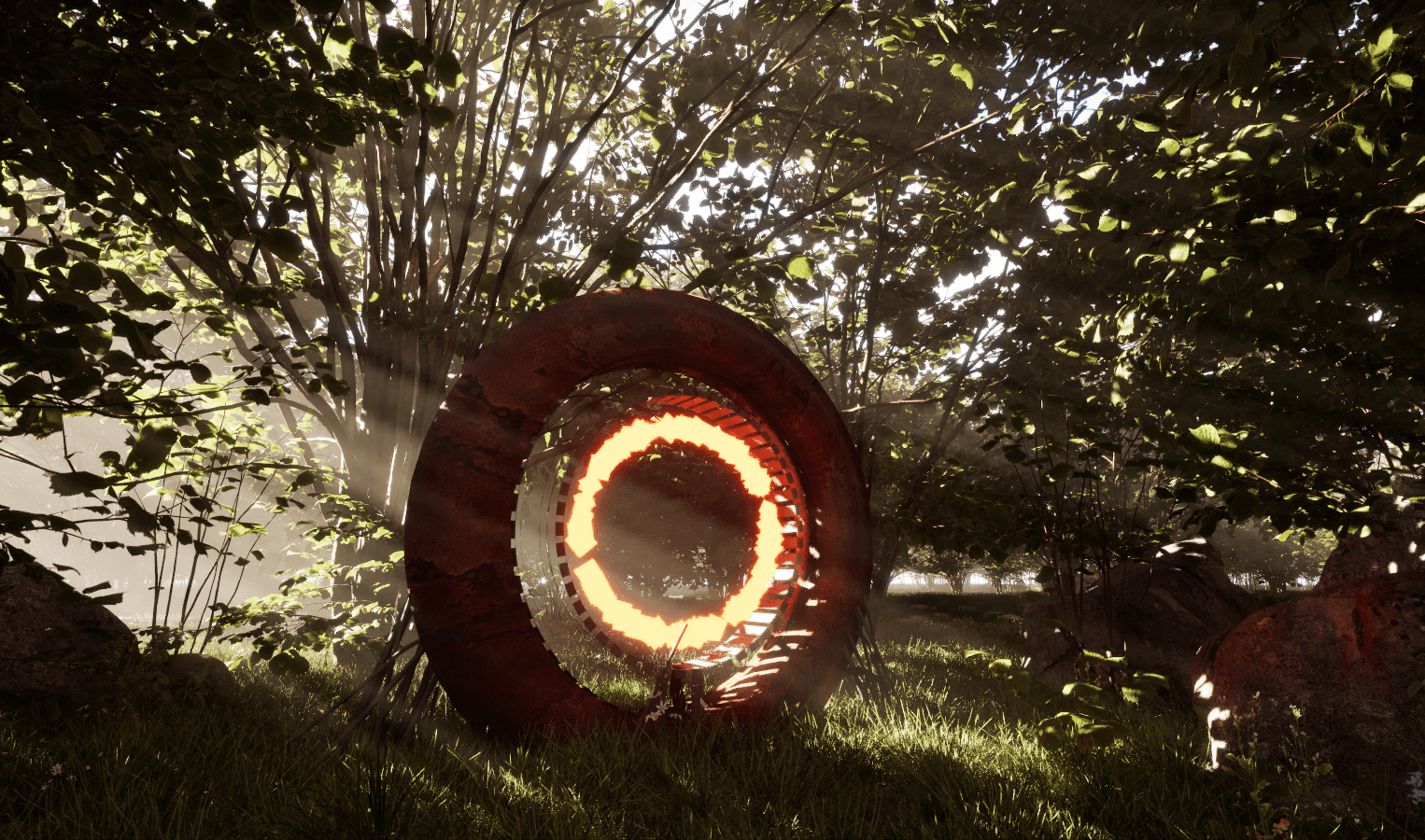
Unlike the mystical underground portal, the second portal needed to blend seamlessly into the outside world. To be consistent with the design objective, I planned to create a rusted, abandoned structure that would resemble mechanical debris.
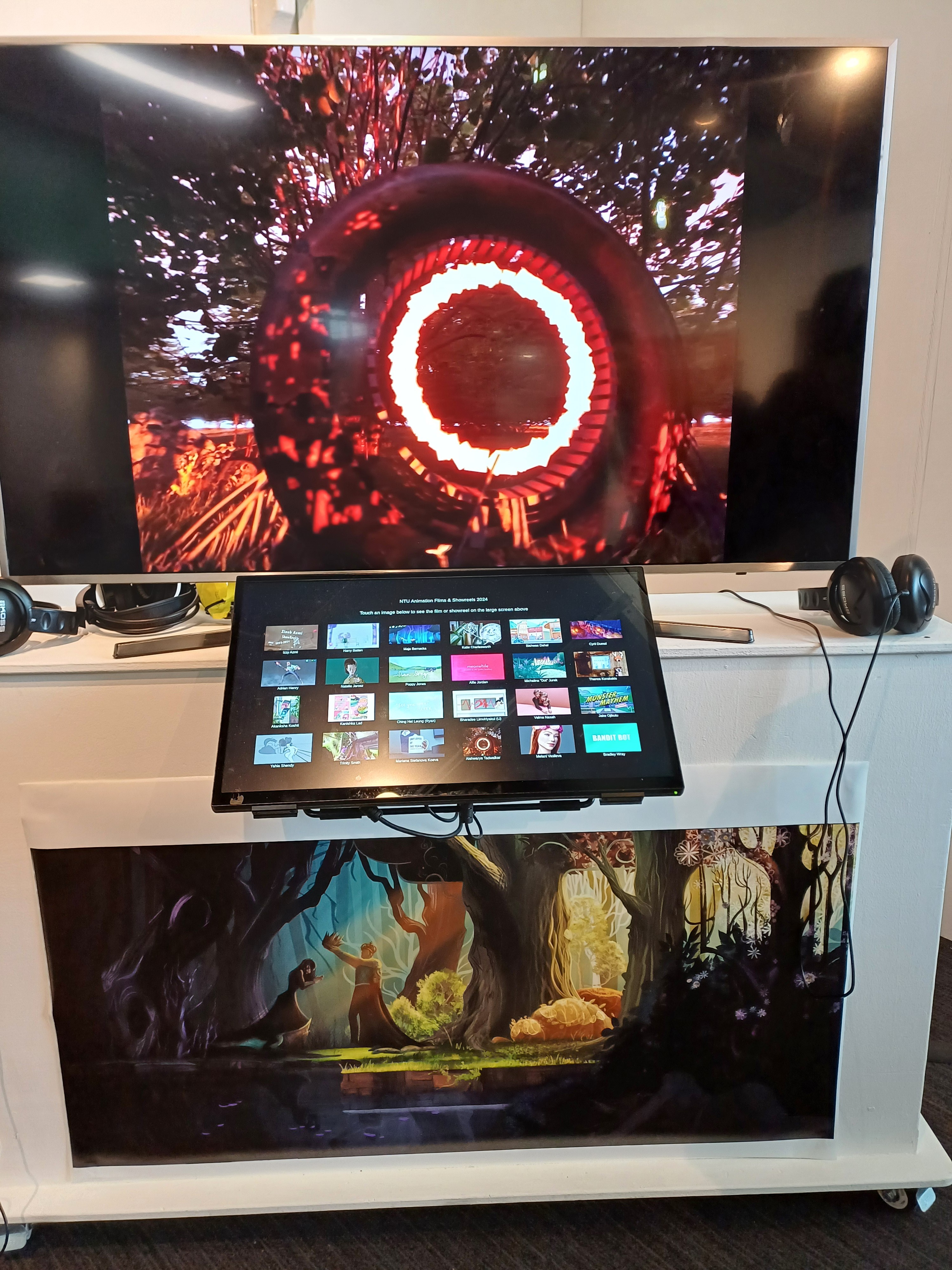
I modeled the portal in Blender and then imported it into Unreal Engine. I added a glowing core at its center, using the Niagara Particle System to maintain visual consistency with the first portal.
User Testing
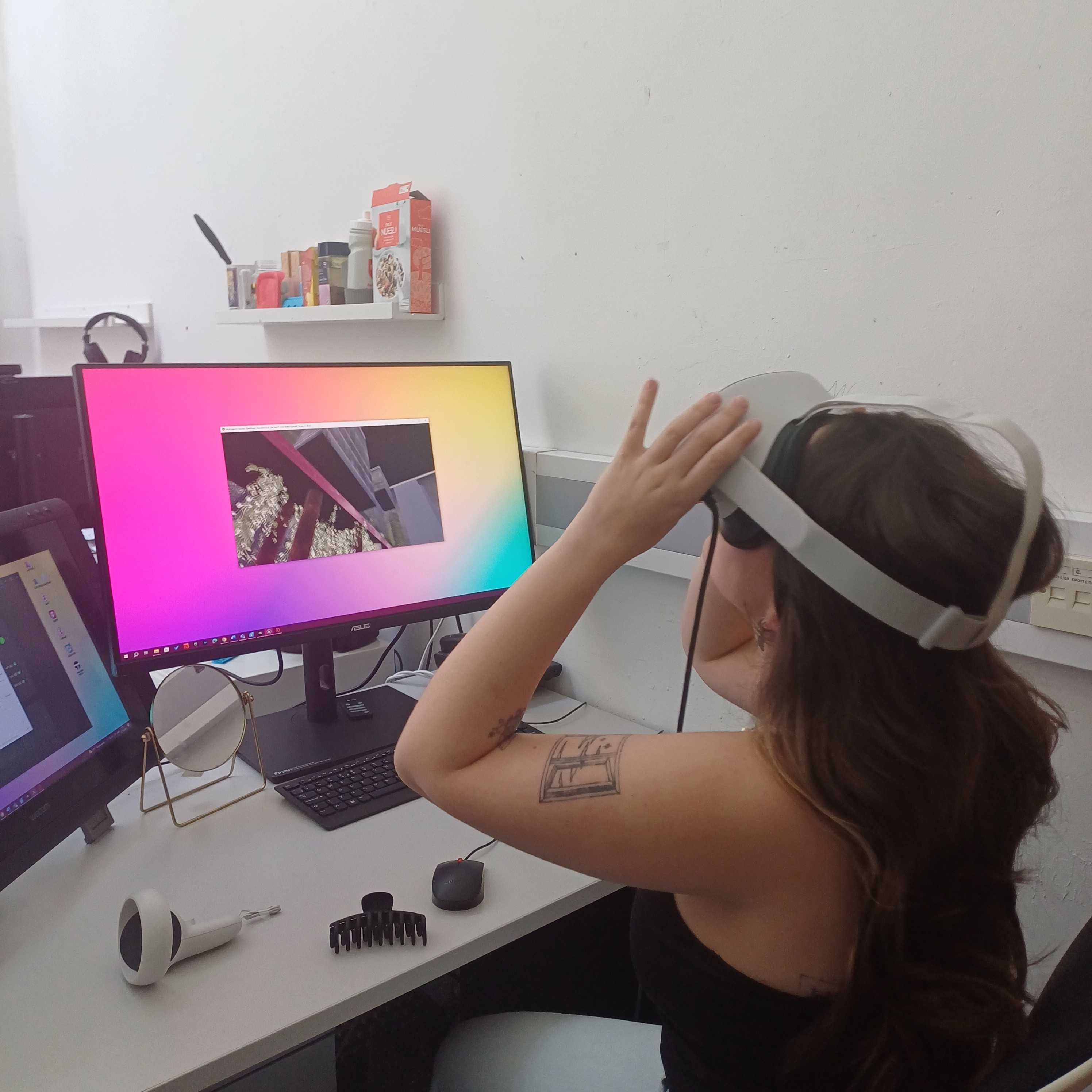
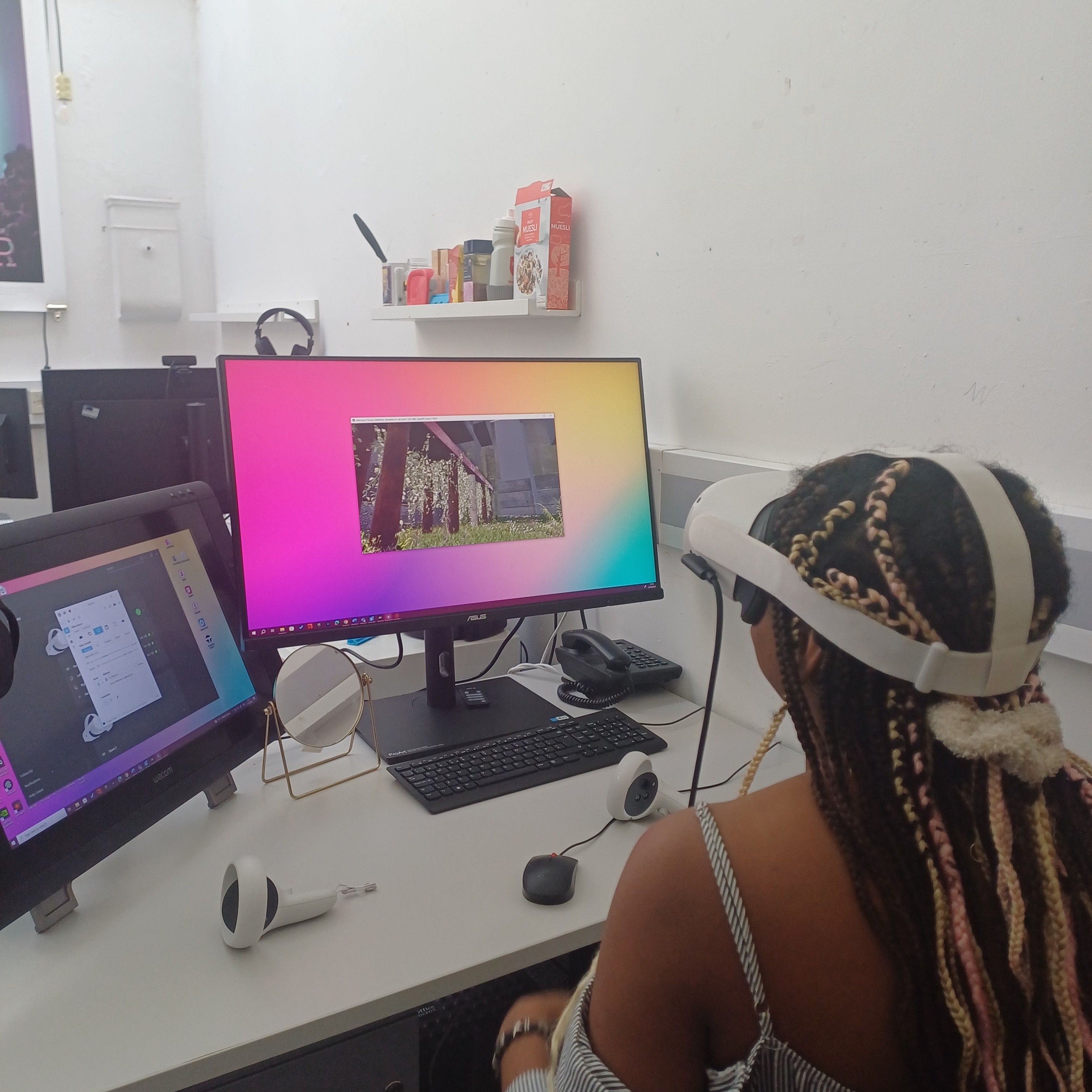
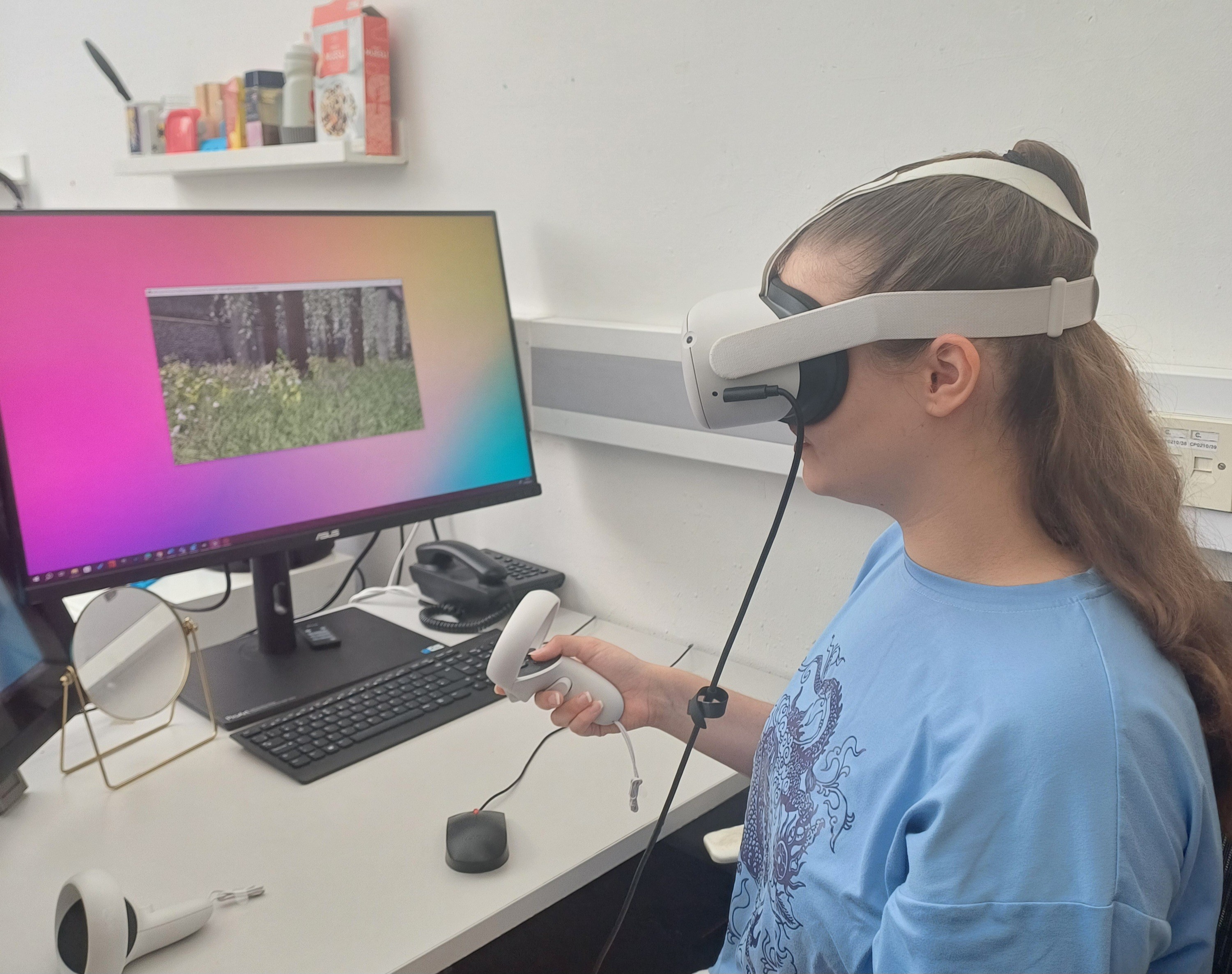
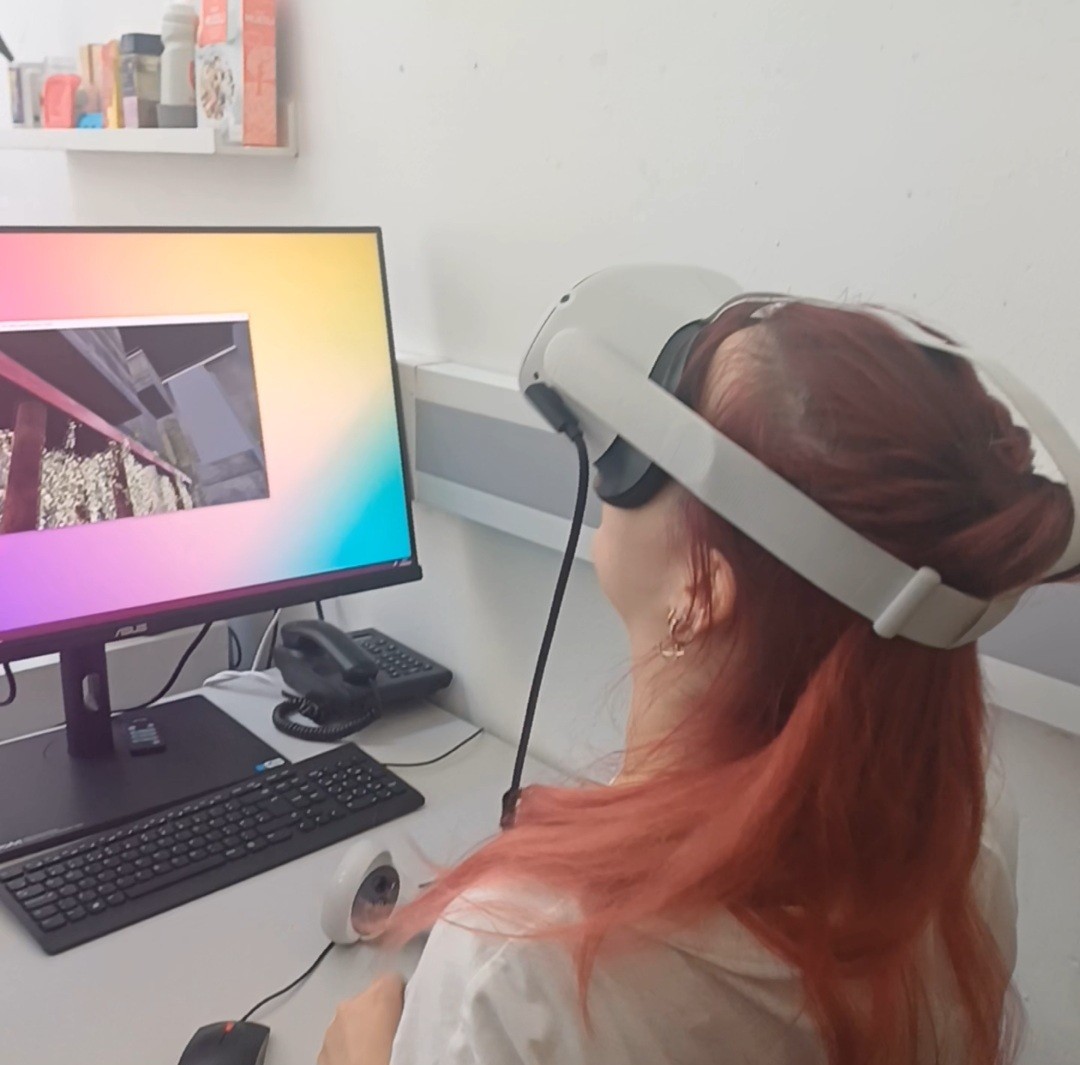
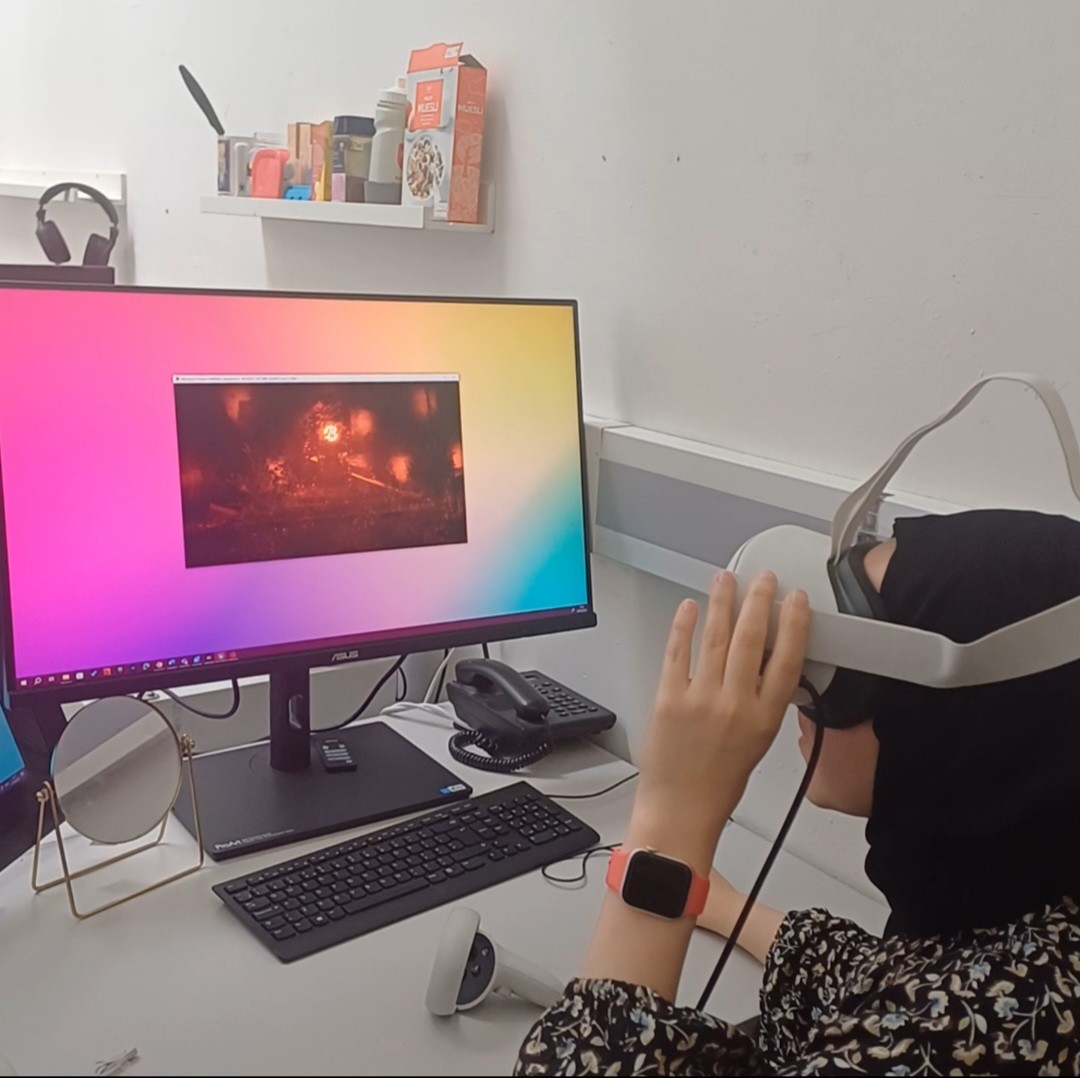
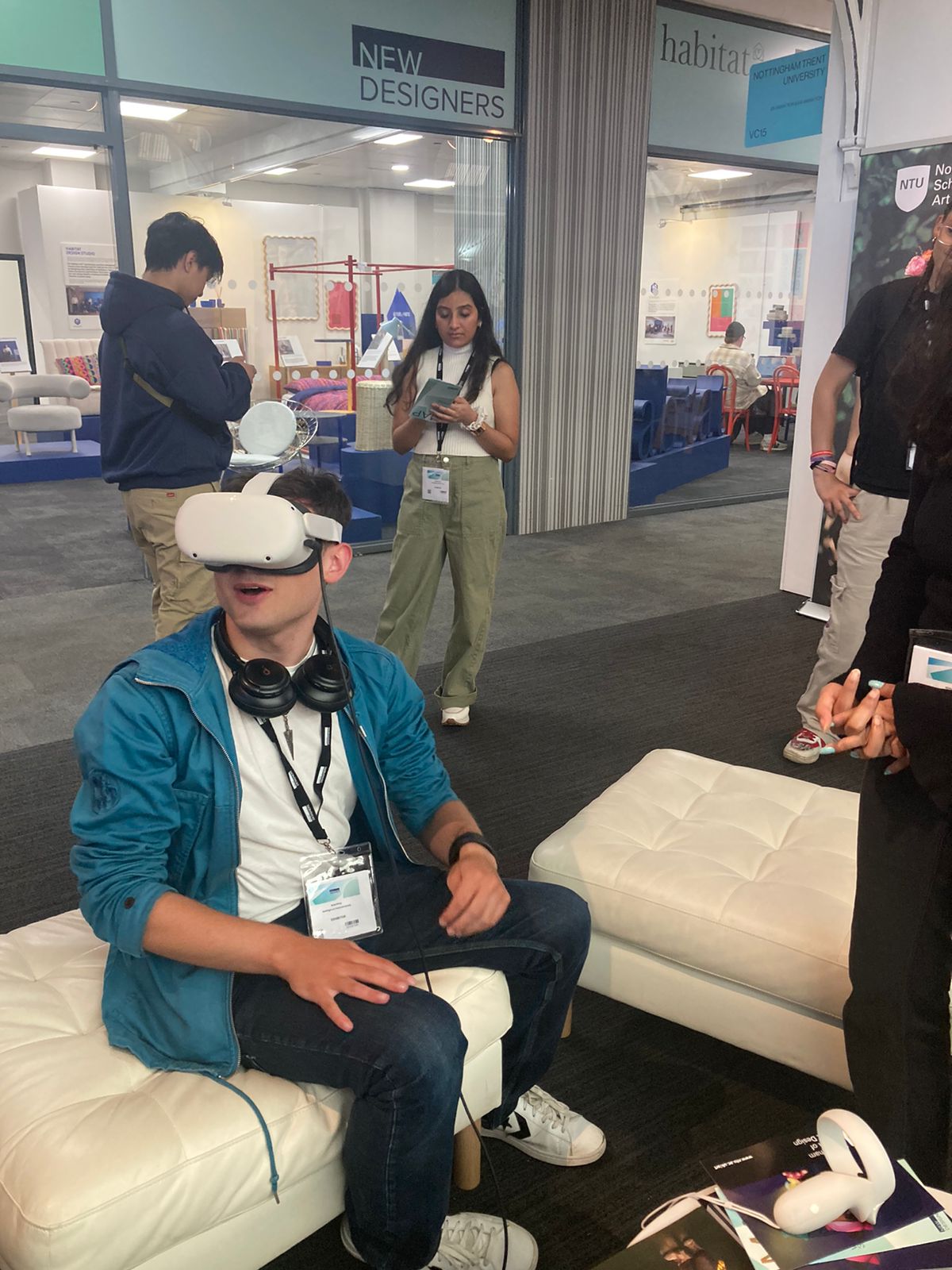
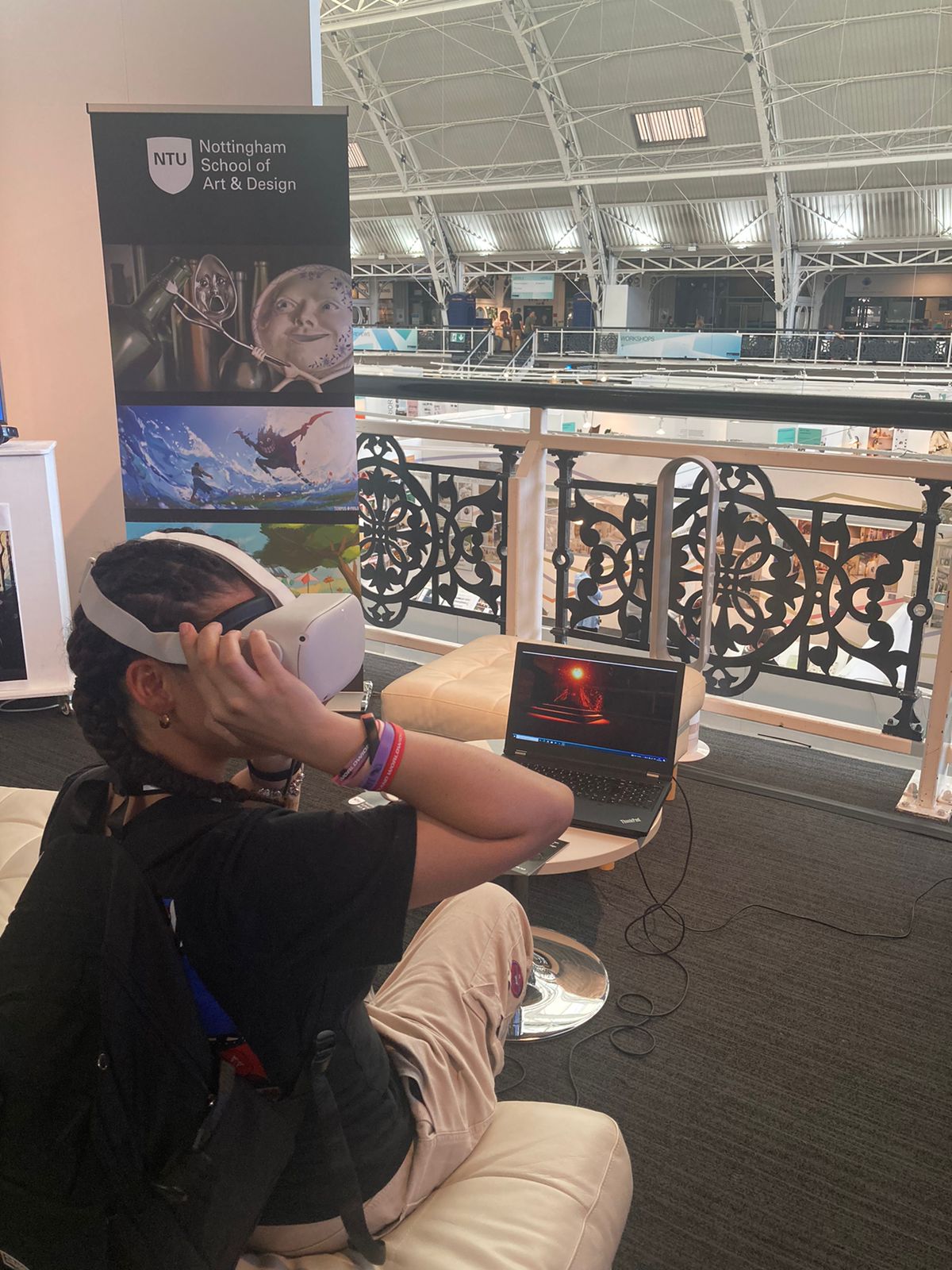
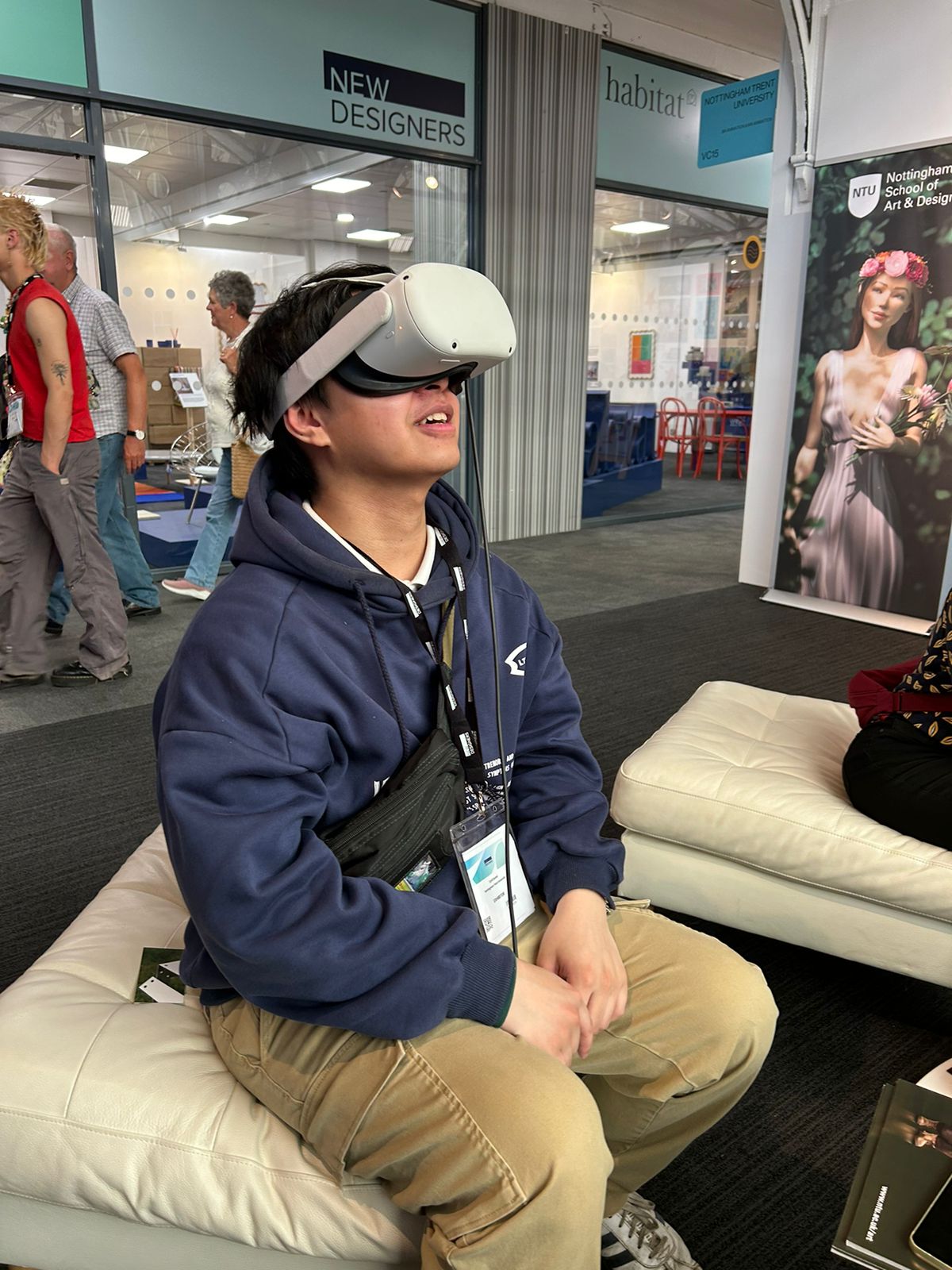
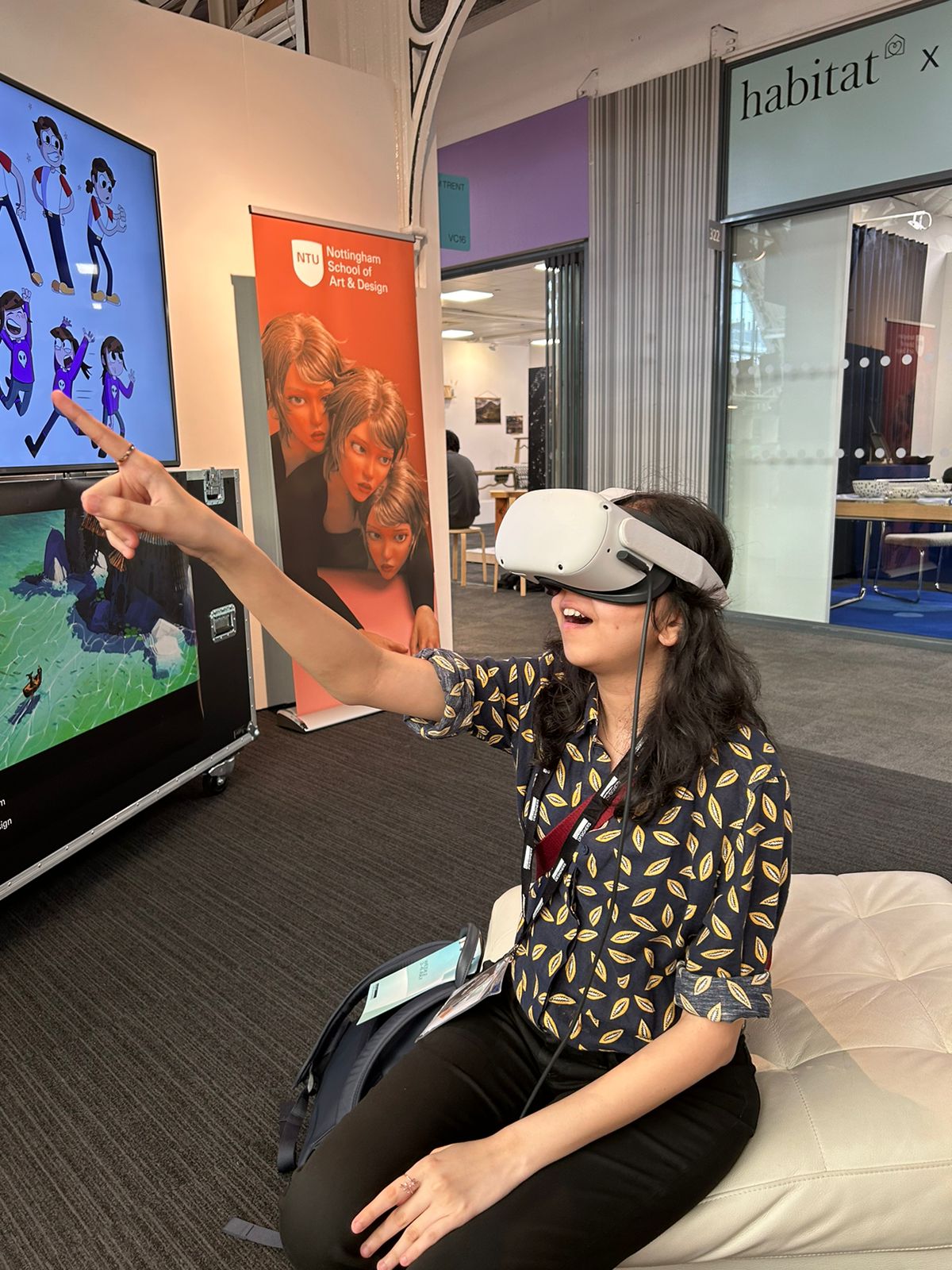
I tested the scene on my peers, observing how they interacted with the environment and where their focus naturally shifted. They found the experience engaging and unlike anything they had encountered before. Their feedback provided valuable insights, helping me refine certain elements to enhance immersion and interaction.
New Designers Showcase
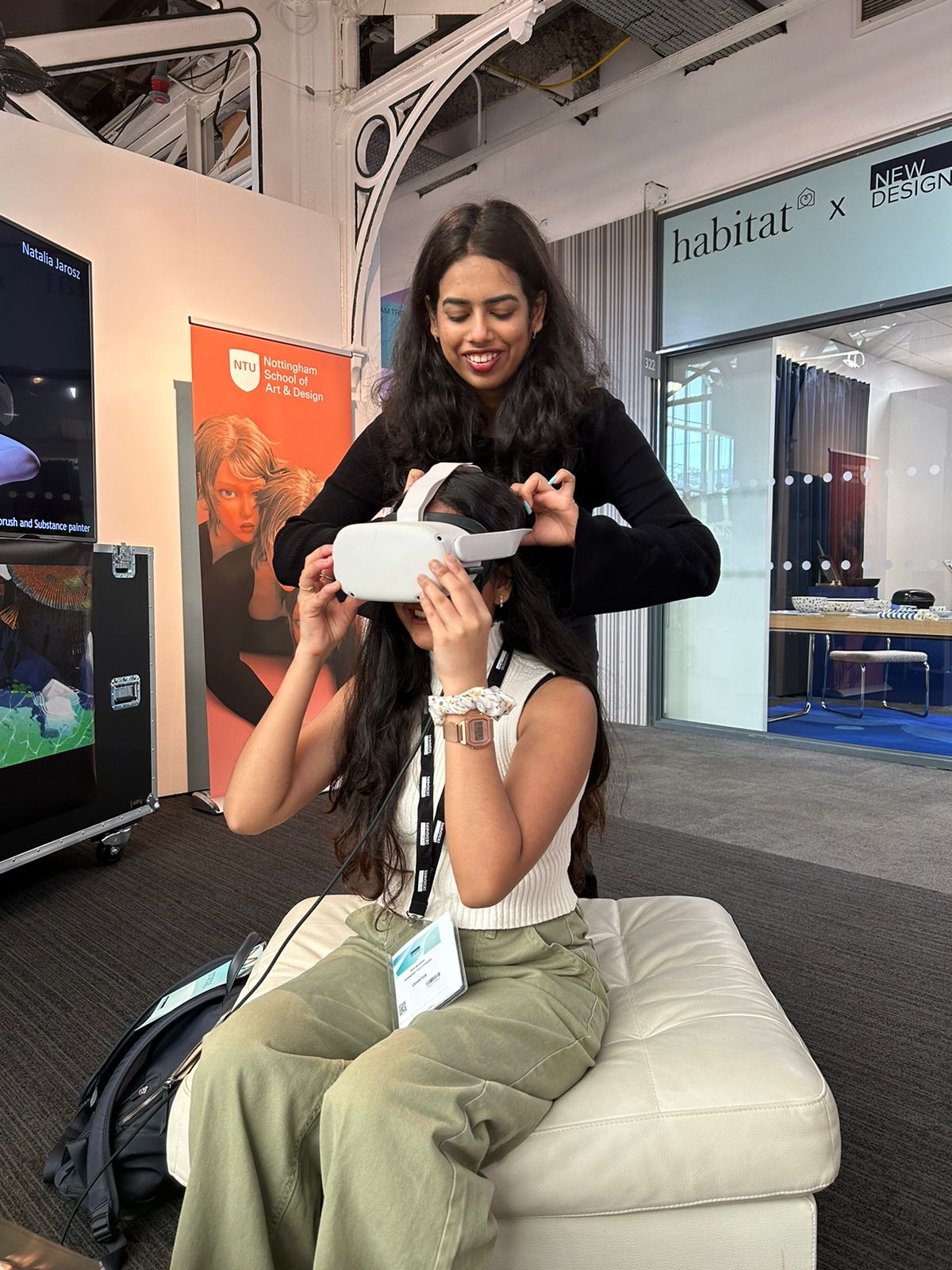
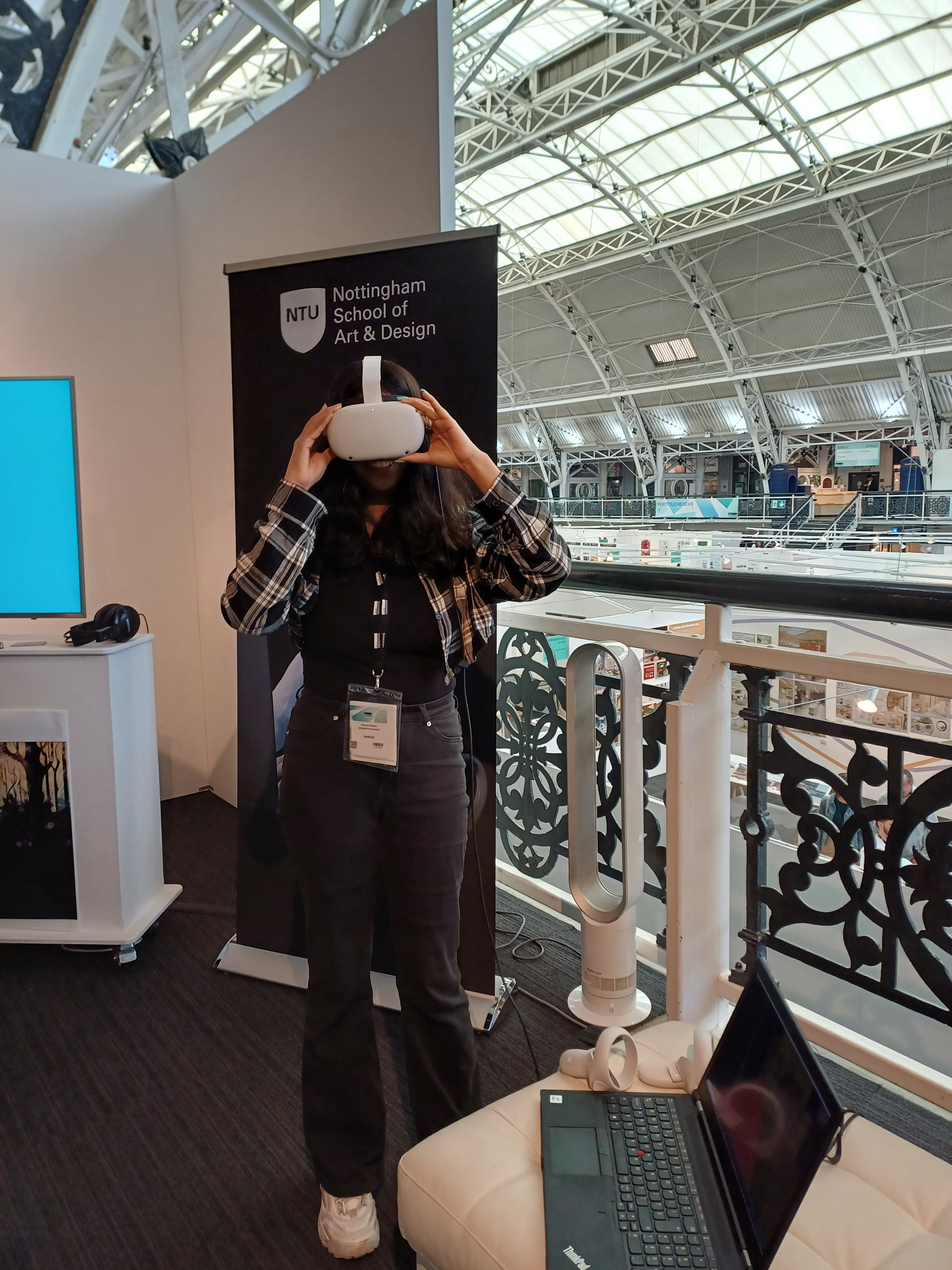
I had the opportunity to showcase my VR experience at New Designers, where I gathered feedback from a range of people, including professionals and a diverse audience of different age groups. Most users, whether gamers or not, engaged with the experience for about 10 minutes, with first-time VR users showing particular excitement. Children drew comparisons to elements of Minecraft, while adults were fascinated by the portals’ wavy, ethereal nature.