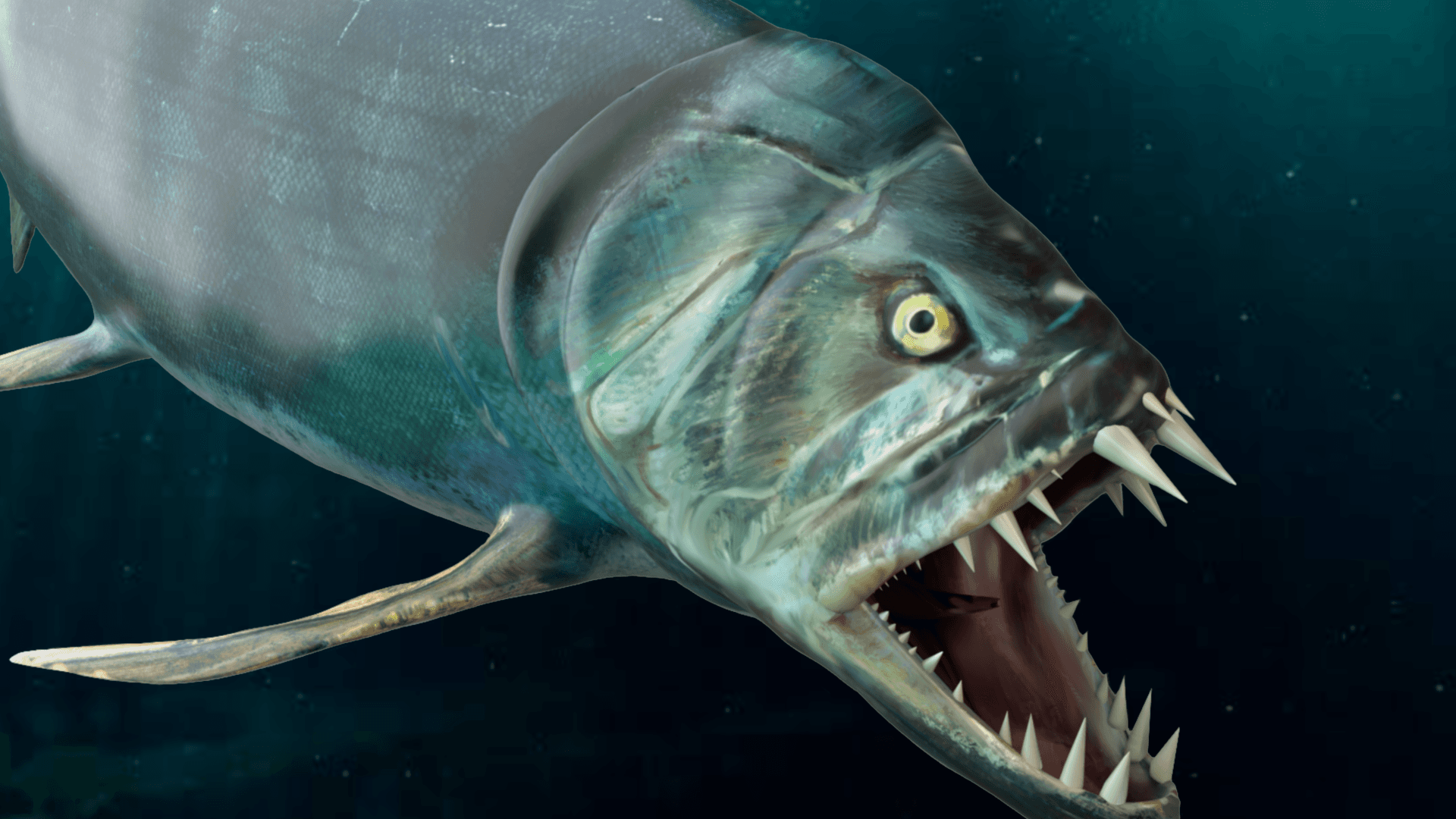
This project involved producing a fully realised 3D model of Xiphactinus for use as one of the principal creatures in an immersive showcase for an American author. The final objective was to animate the original concept artwork.
My role was to create the model, make it look as visually distinctive as the reference painting, and ensure it was fully rigged and ready for animation.
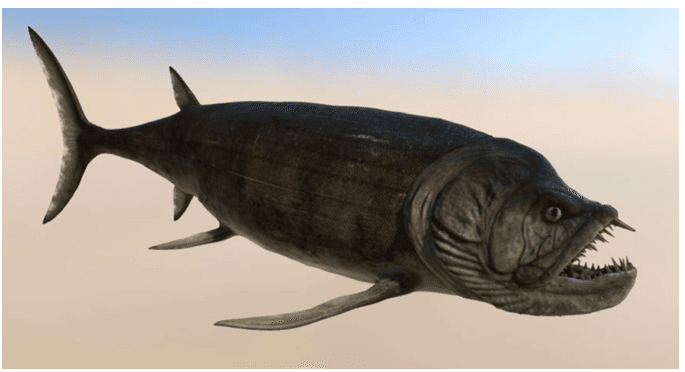
The base mesh was adapted from Julian Johnson-Mortimer’s asset on Sketchfab, licensed under CC BY 4.0, which allows modification and commercial usage with attribution
Process
Sculpting
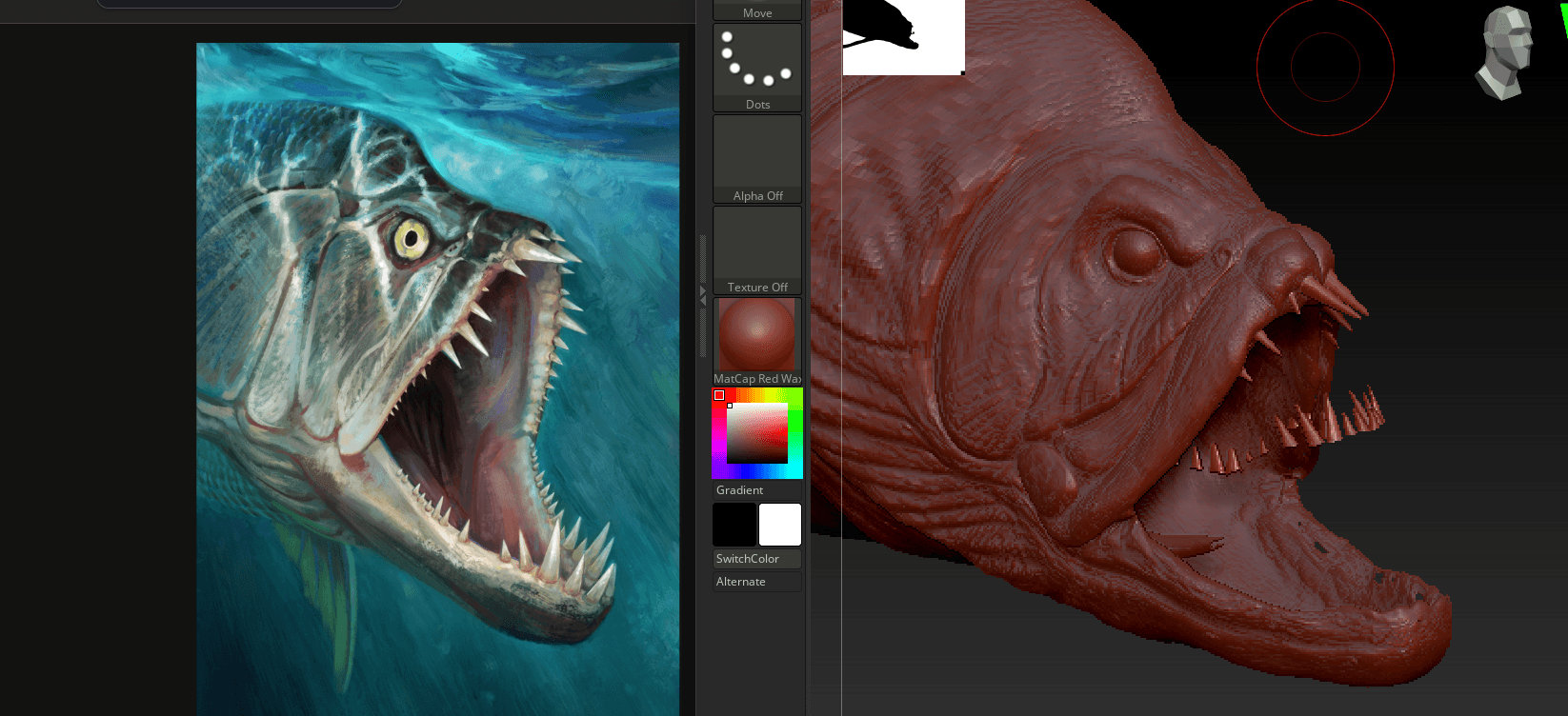
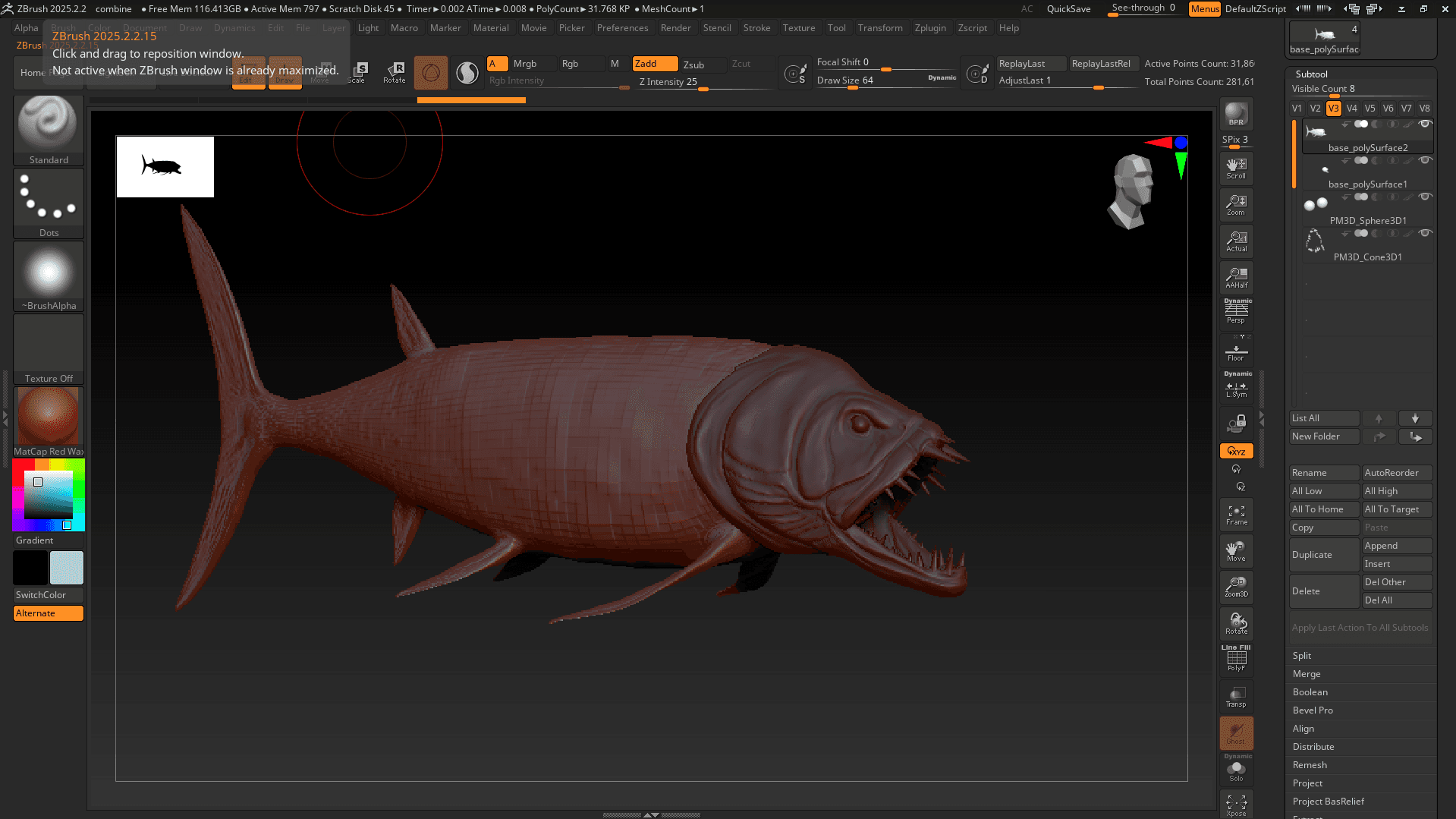
The process began with cleanup of the existing model to ensure usability. Reshaping and refining the form to match the reference paintings. The mouth and teeth were key focal points, since the movement of the jaw structure defines the creature’s visual identity. Teeth placement was rearranged and sculpted to match the painting exactly.
Topology
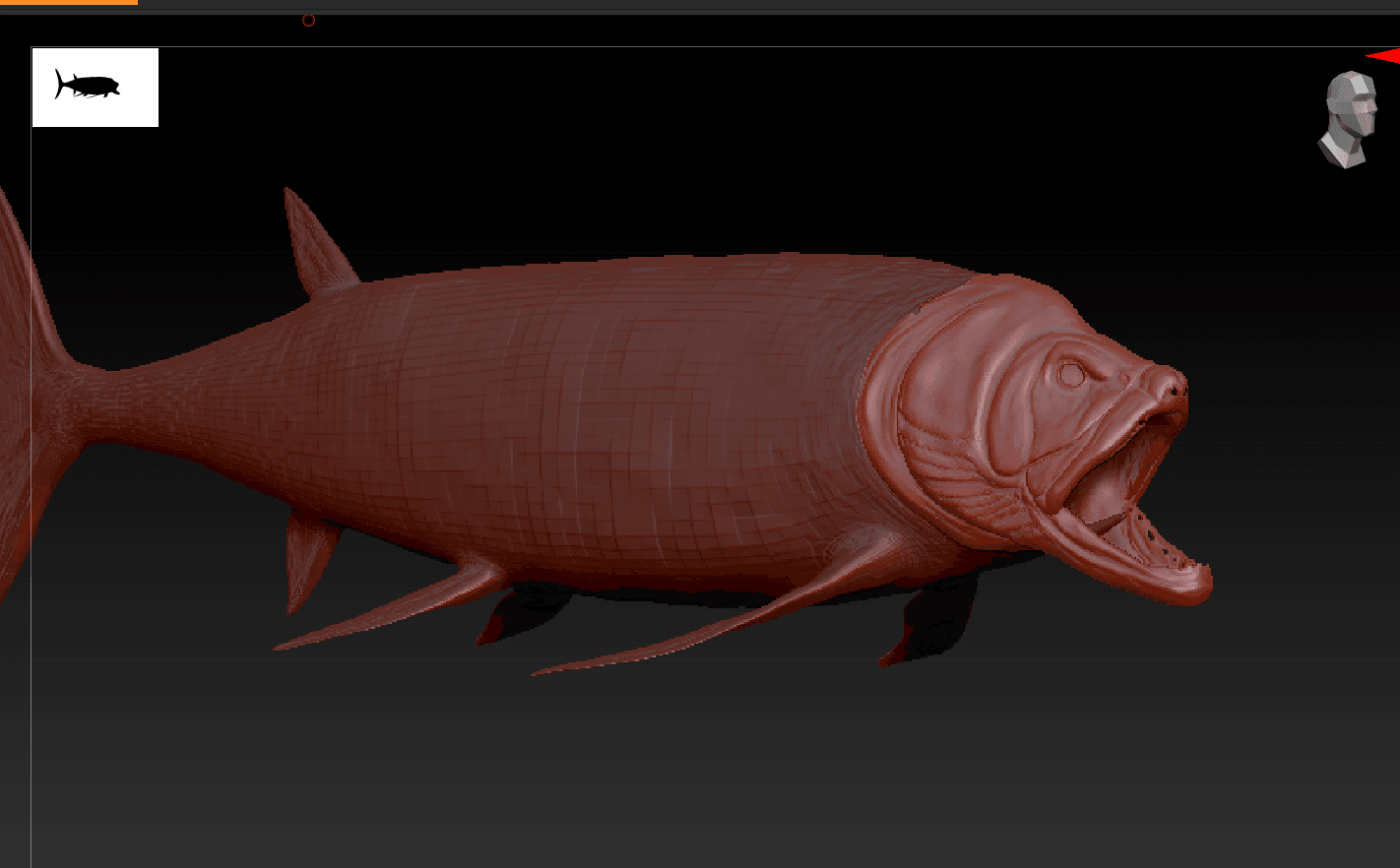
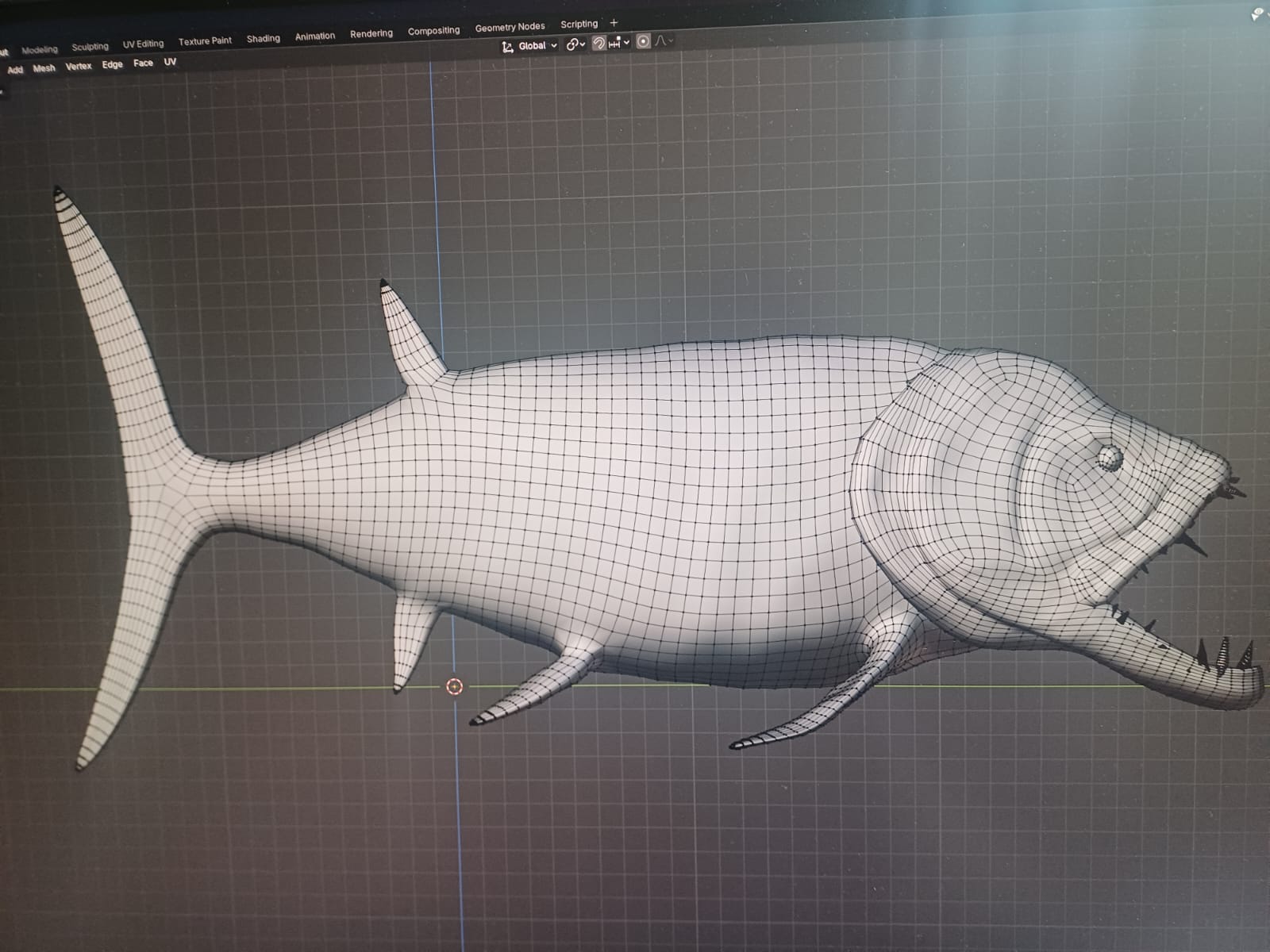
After sculpting, the mesh was retopologised. I first attempted to do the retopology manually, but the results were not accurate enough and the process was slow.
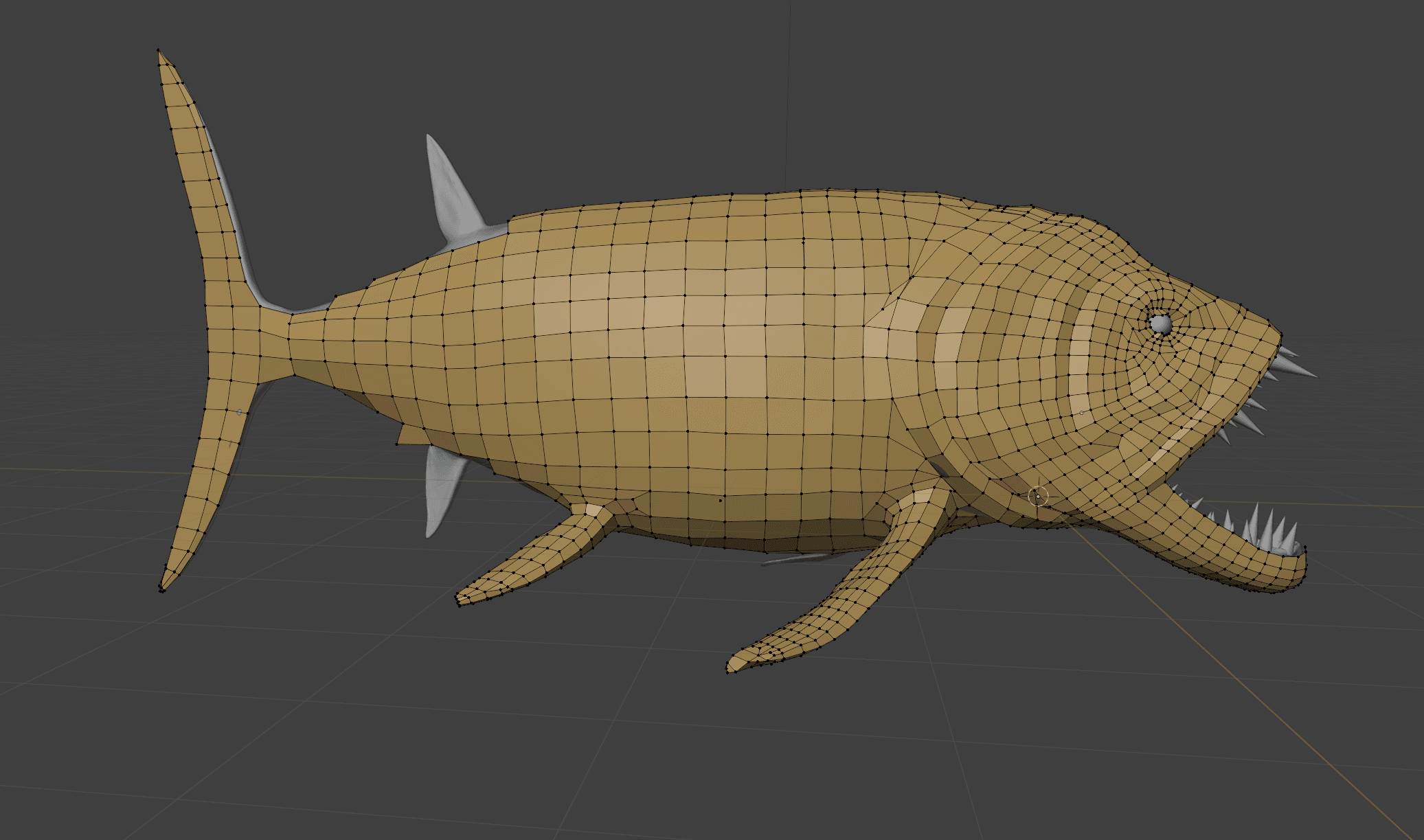
To improve both quality and efficiency, I used ZRemesher, which produced a cleaner shape and a more reliable base for animation.
Texturing in Substance Painter
The challenge was to get the model to have similar texture as the reference. I started by creating the base with the tools and materials available in the software

Next I tried replicating the textures in the reference by hand painting it in procreate but it did not match the client's vision.
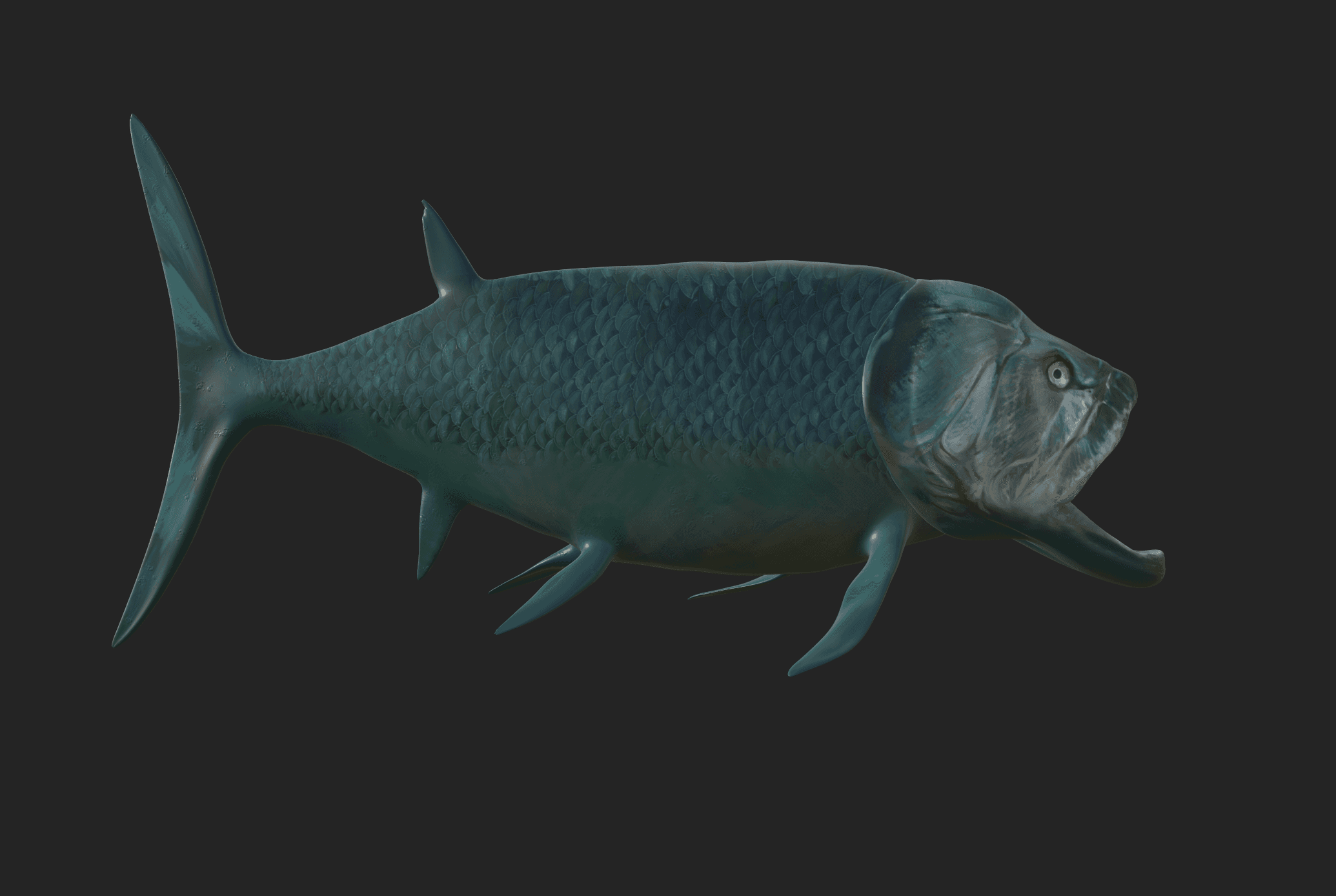
So I decided to take the texture from the original mesh that was provided to me and colour graded it in photoshop to look like the reference.
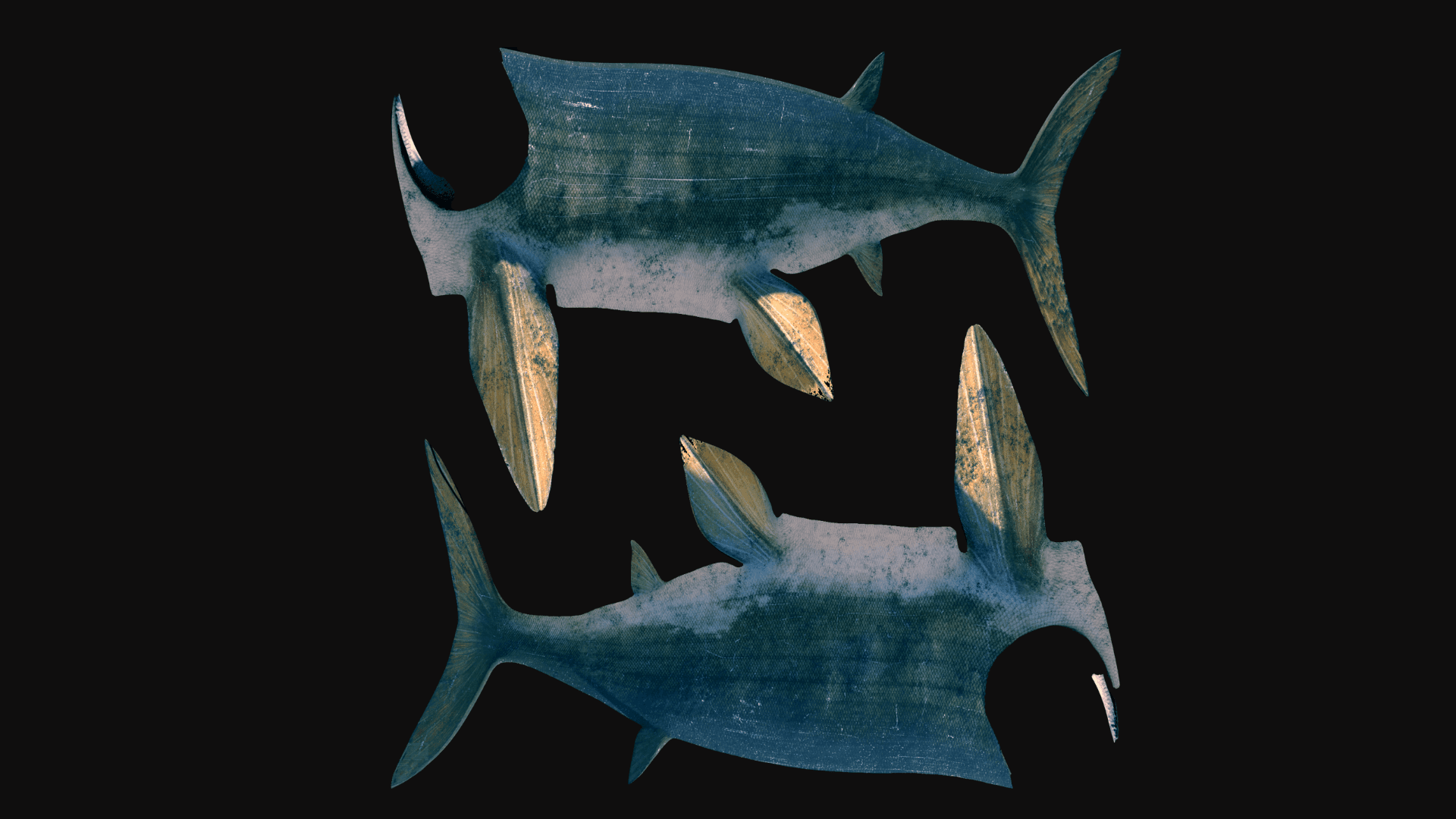
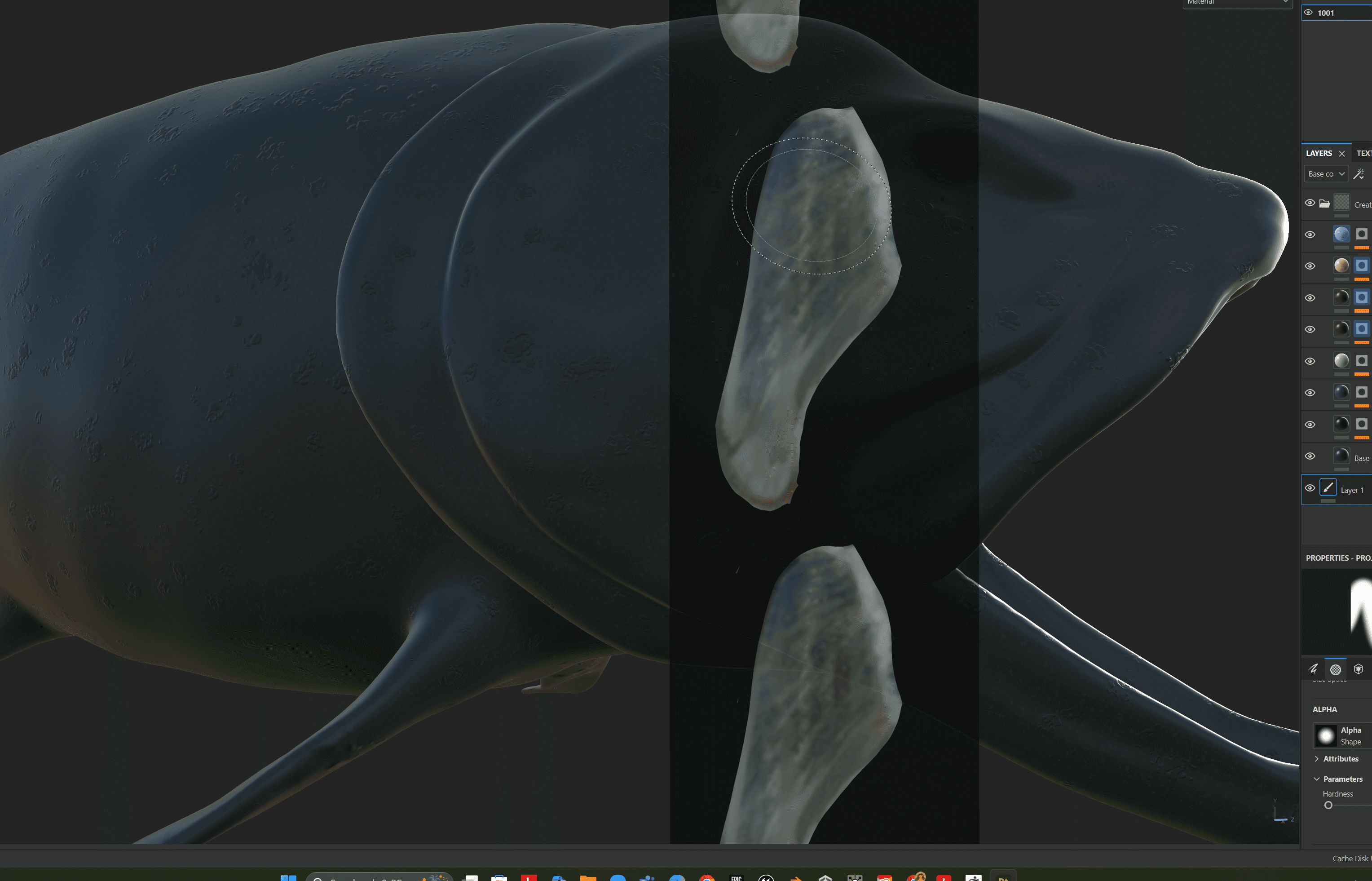
Bringing it in Substance Painter I used the projection tool to imprint the textures directly onto the mesh for an accurate match to the reference.
Assembly in Blender
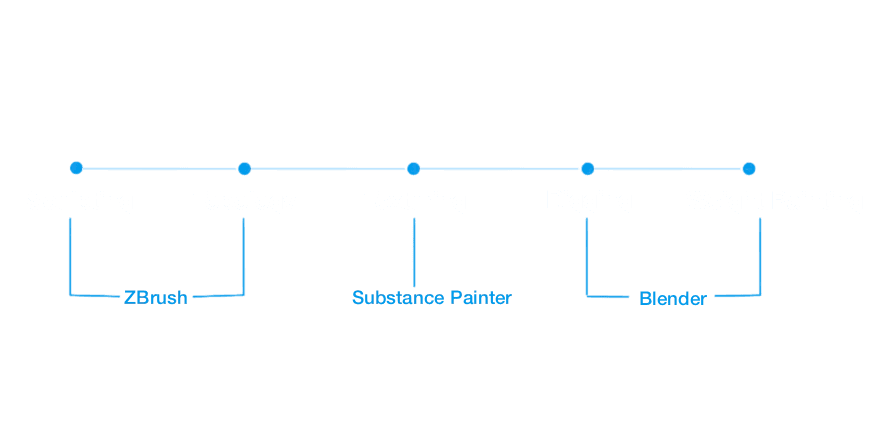
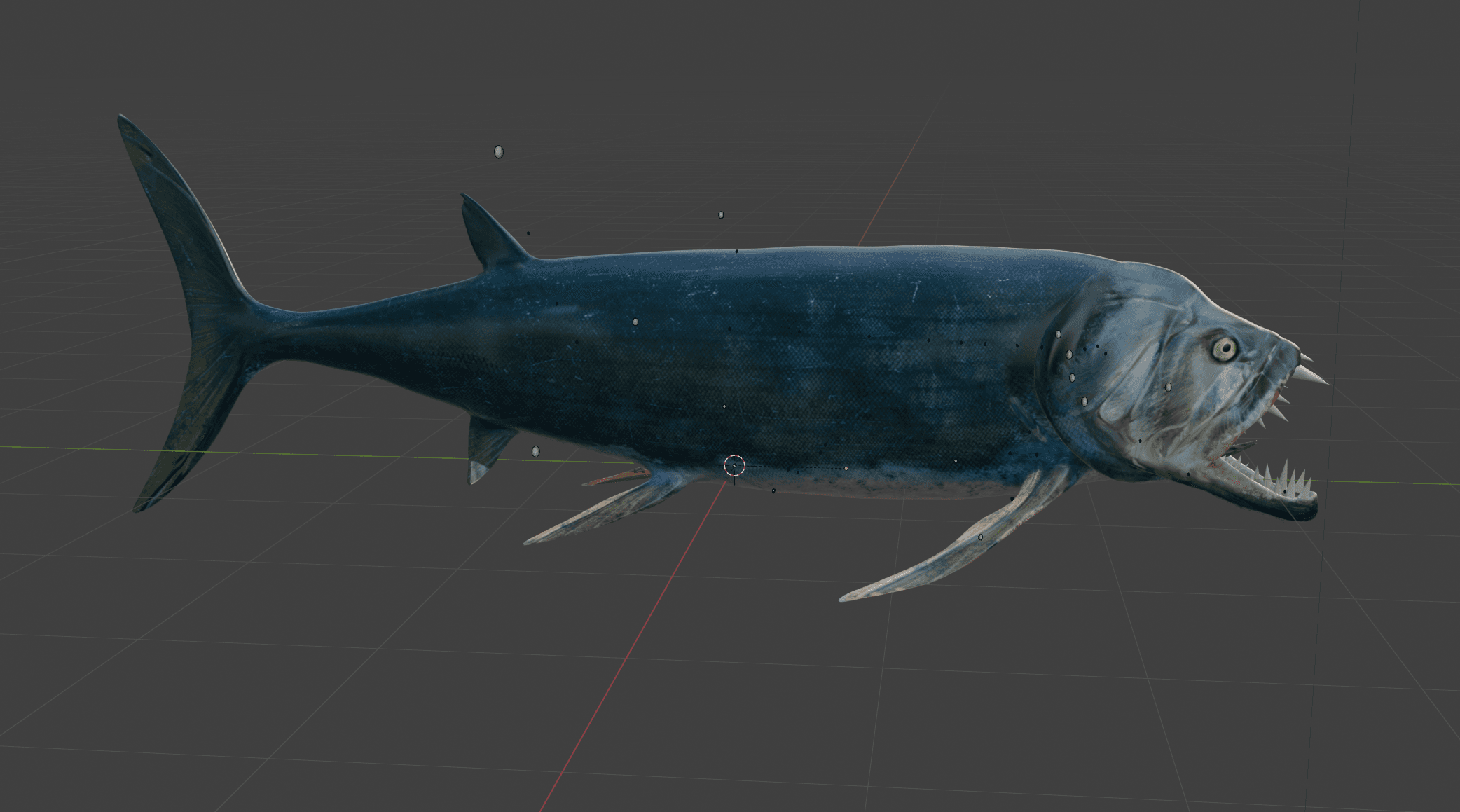
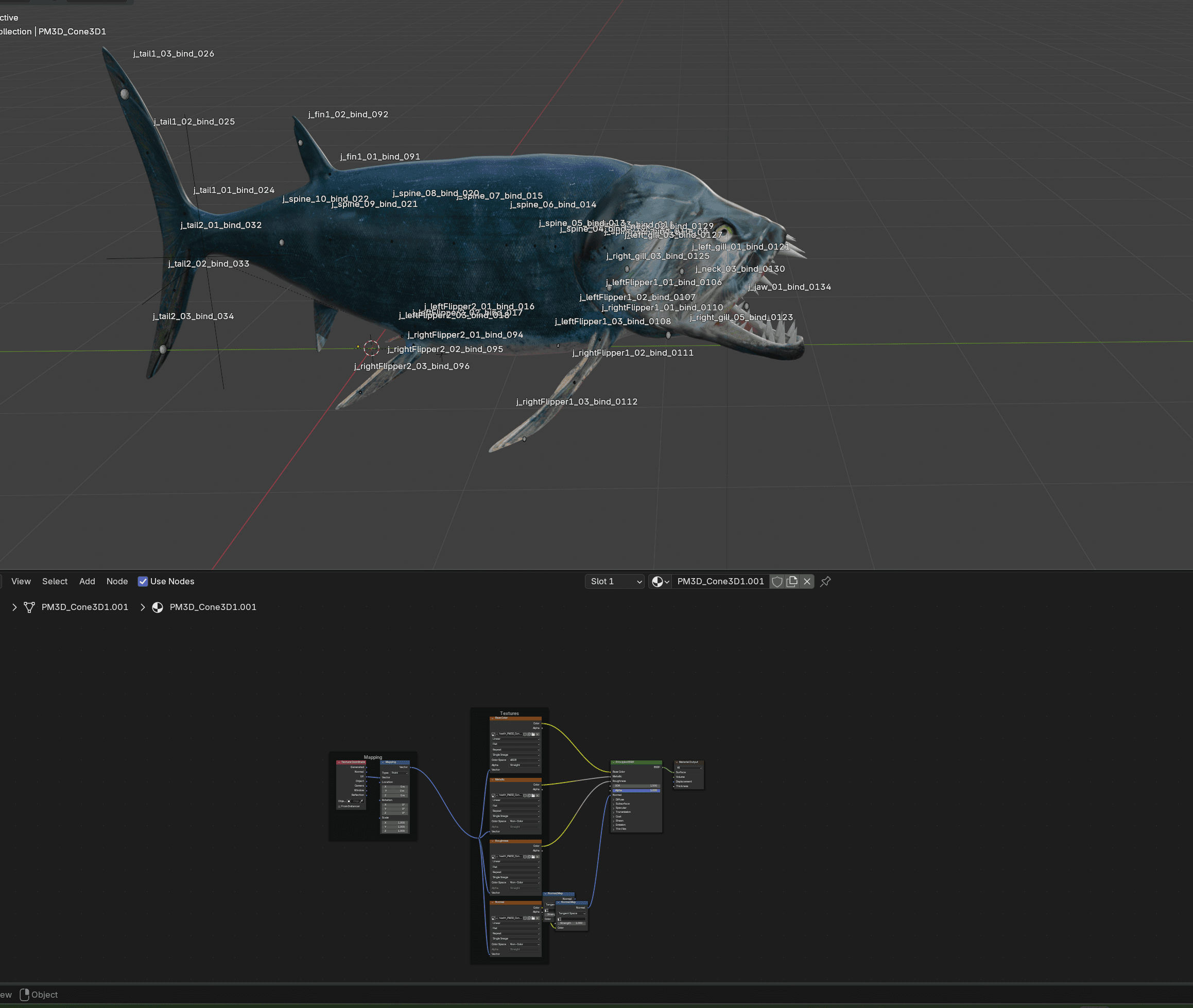
The sculpted model, Substance Painter textures, and ZBrush maps were imported inside Blender and assembled into a final, production-ready asset.
Rigging
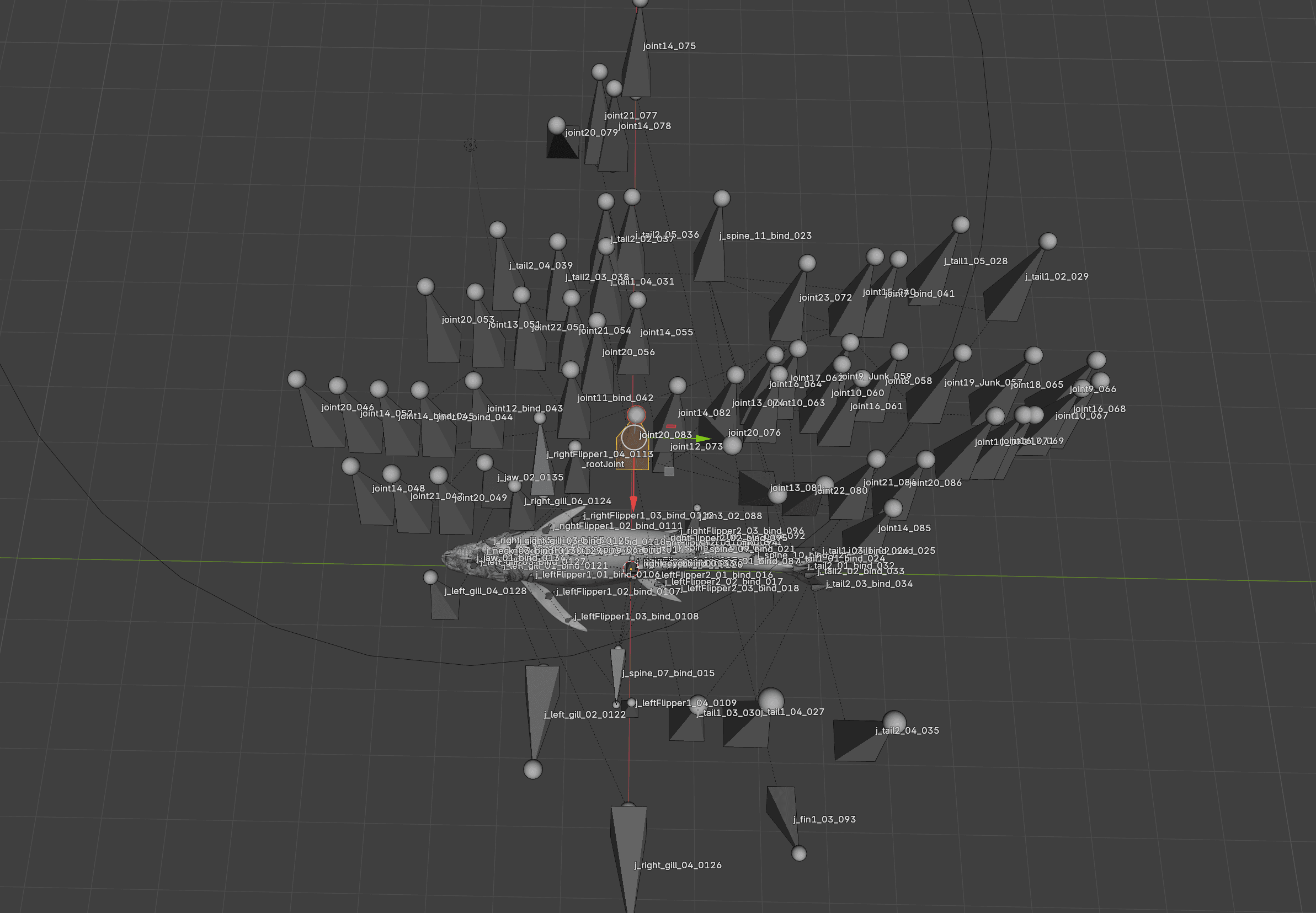
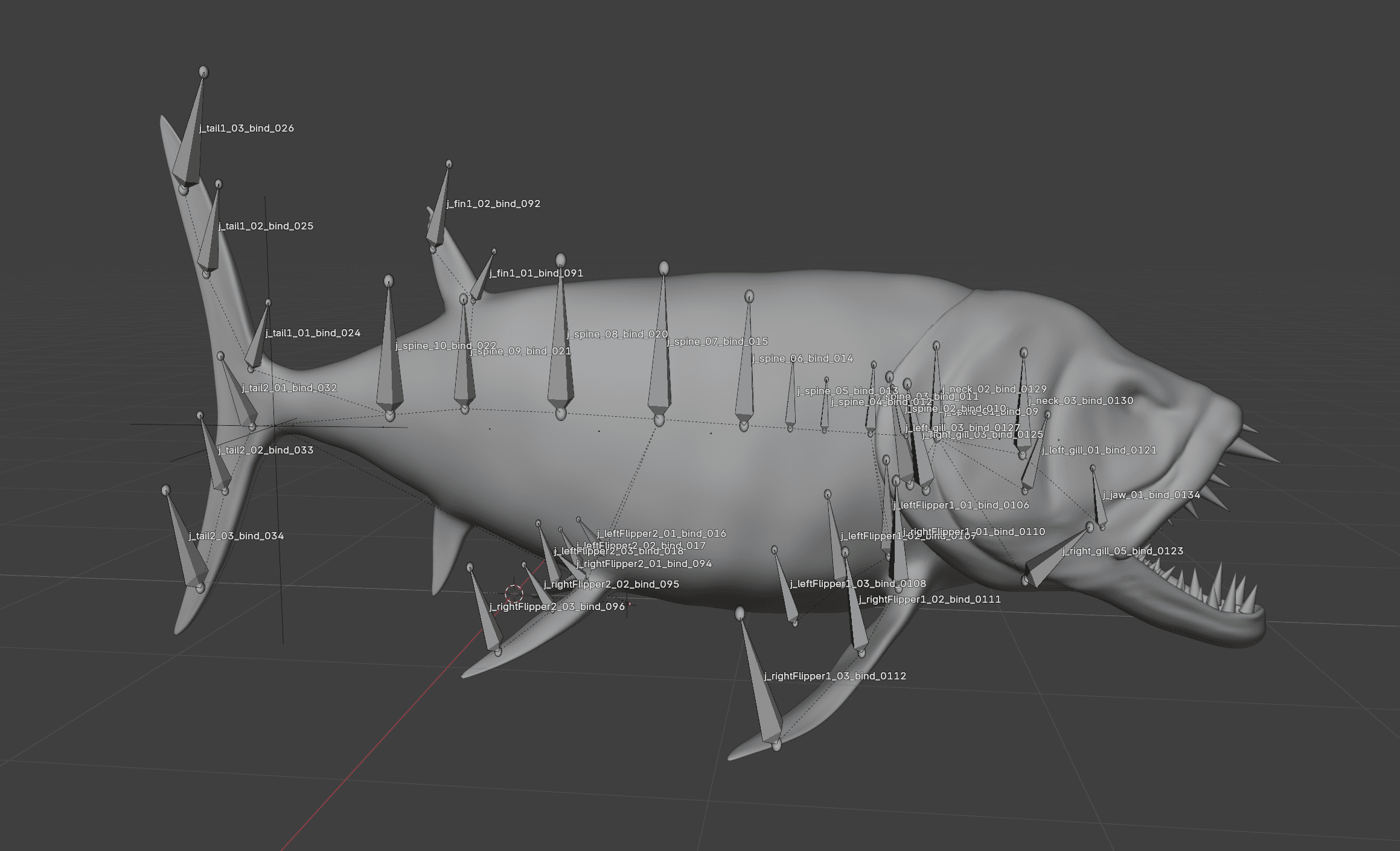
The downloaded model contained a complex pre-rig. To understand the components and the movement I disassembled the rig and then built a custom rig to simplify control and movement accuracy.
Weight Painting
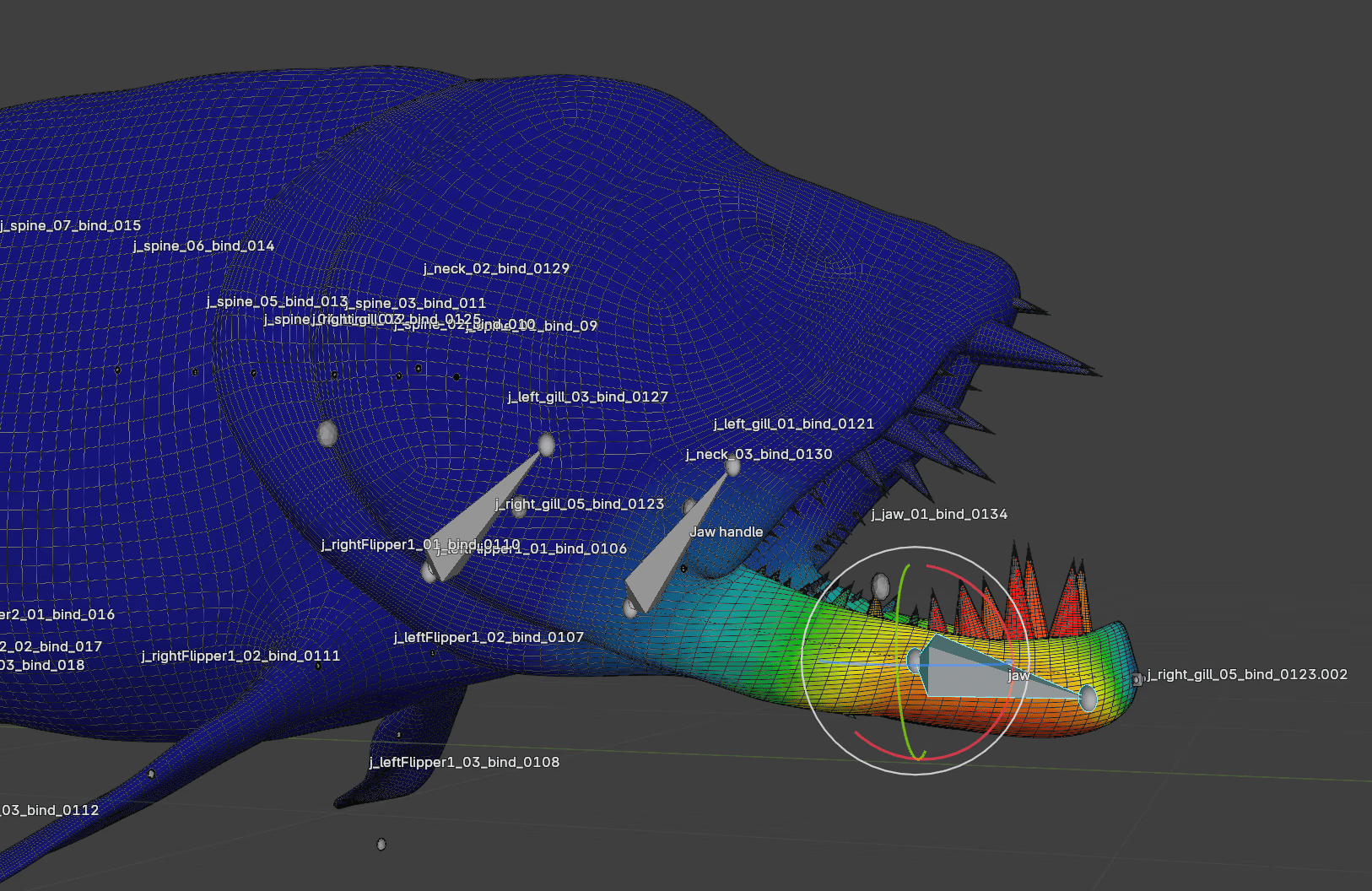
Once the mesh was rigged, I started weight painting with emphasis on the mouth.

Final Outcome
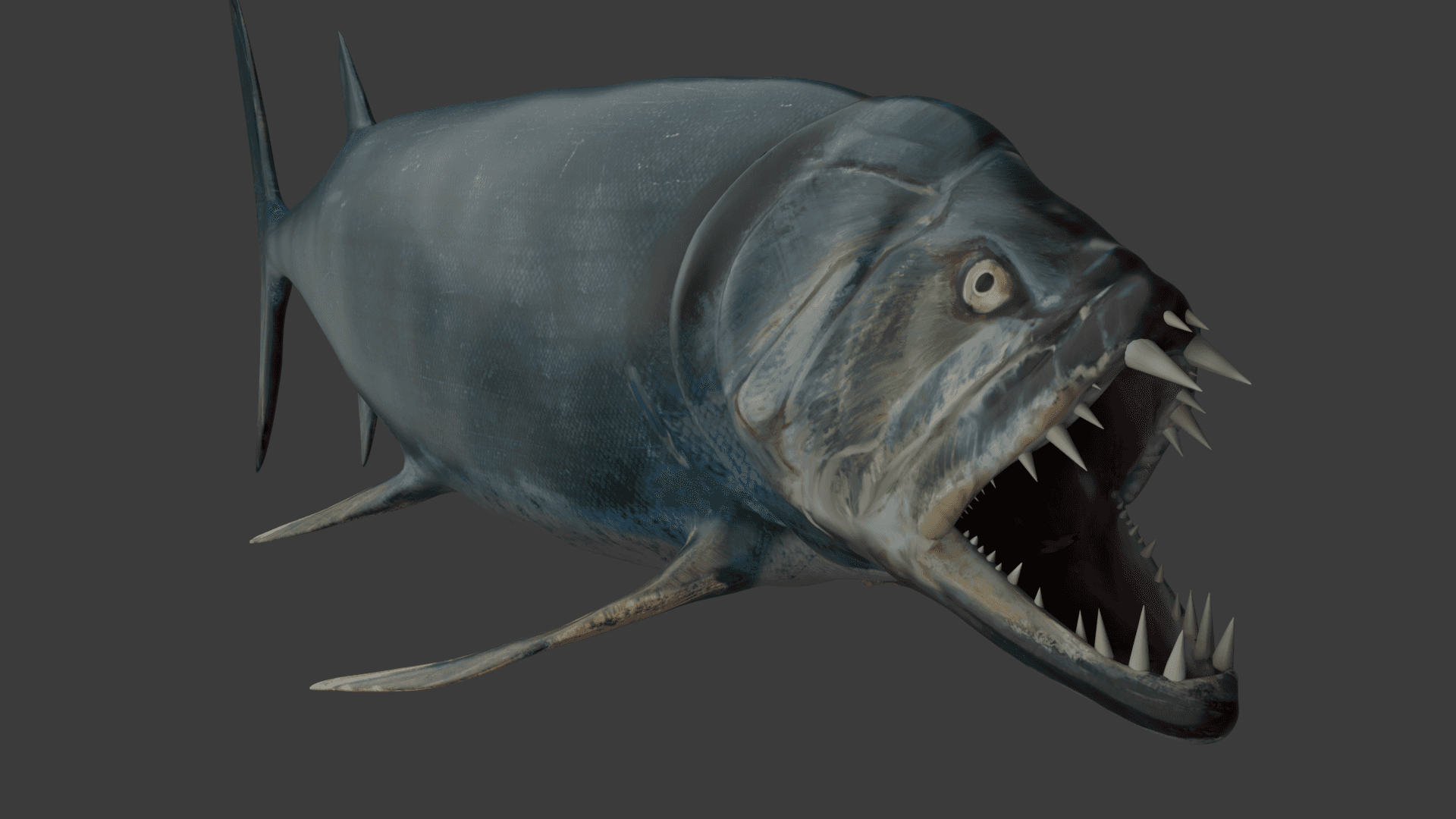
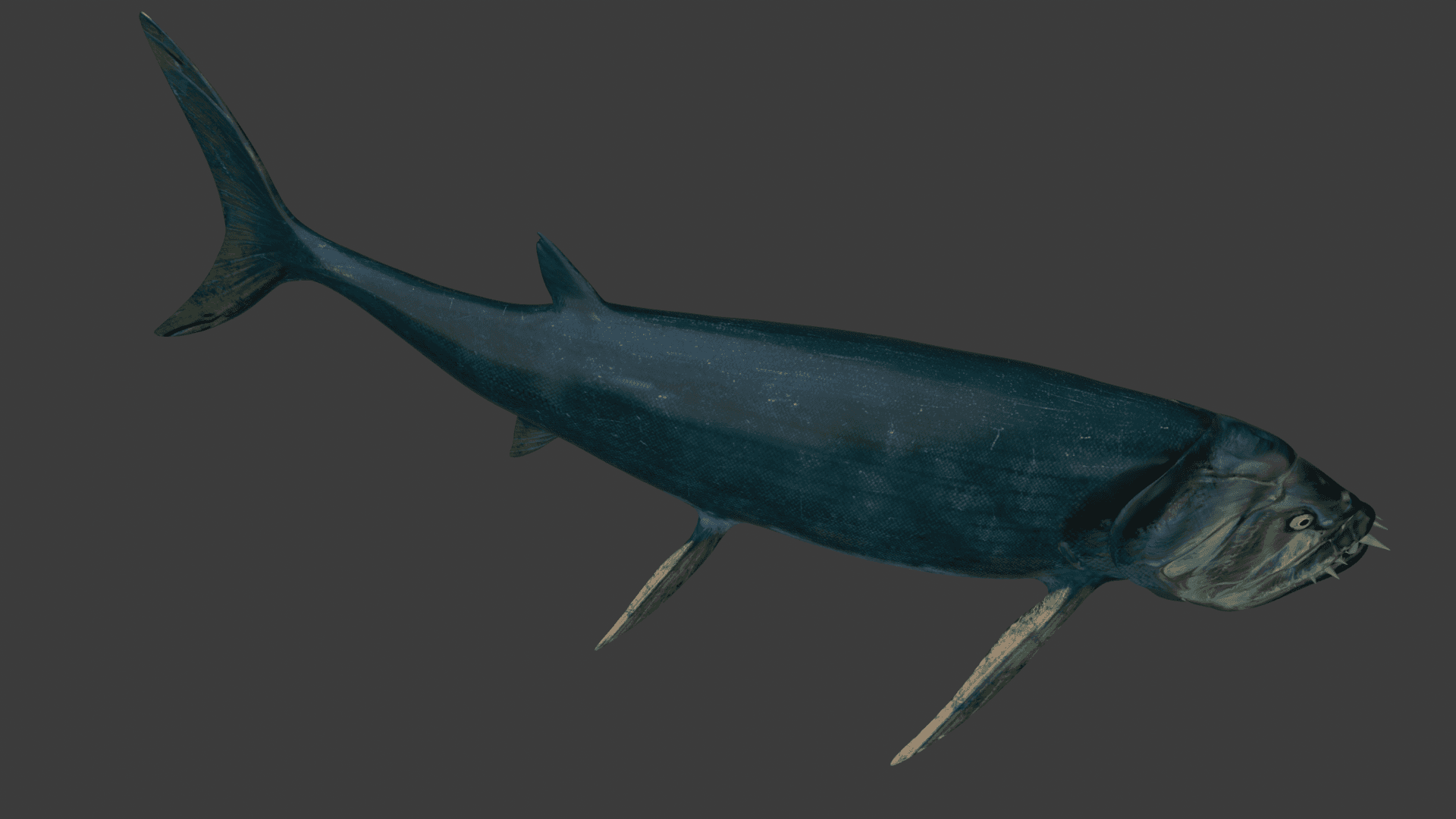
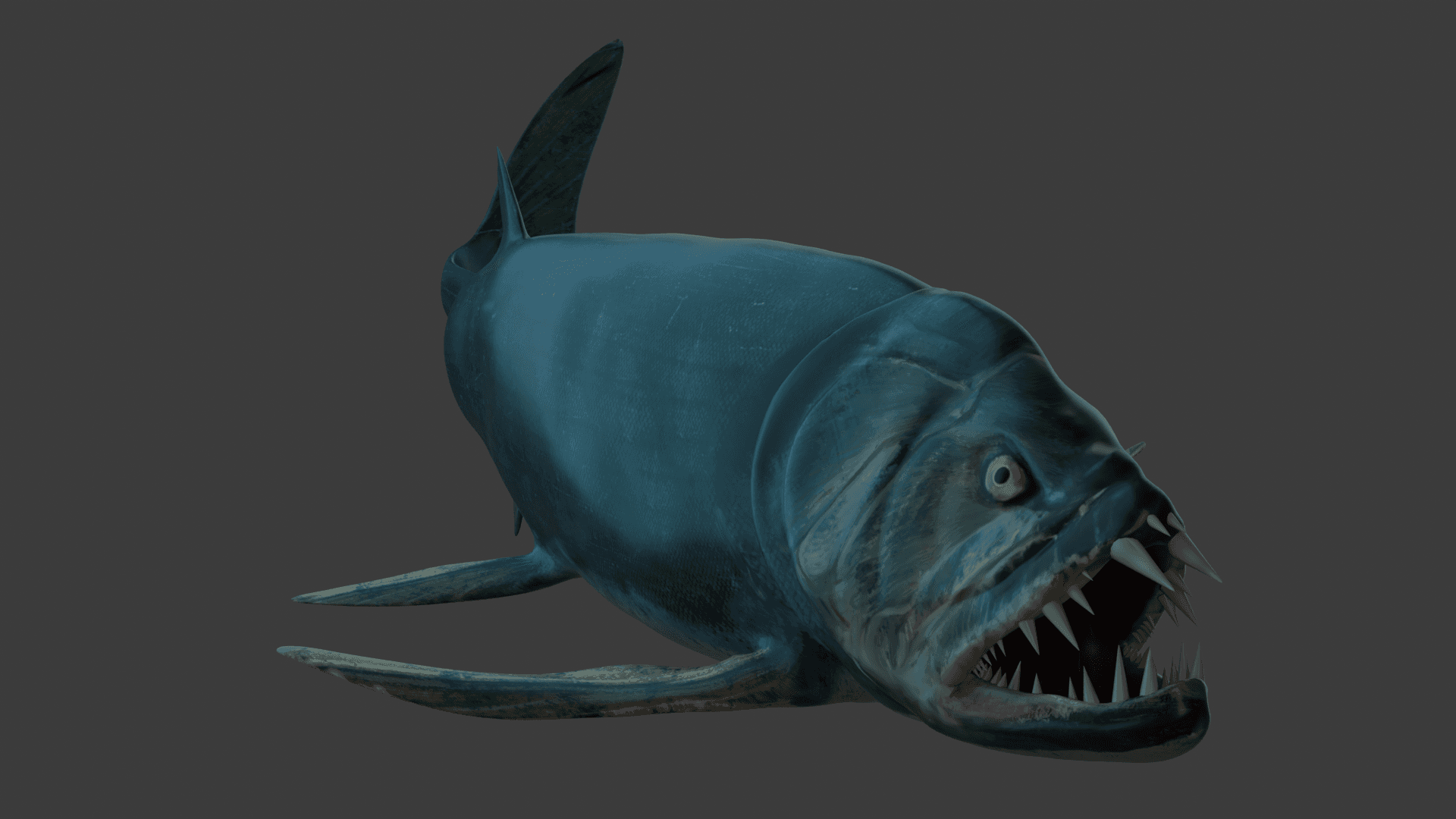
Back to the top